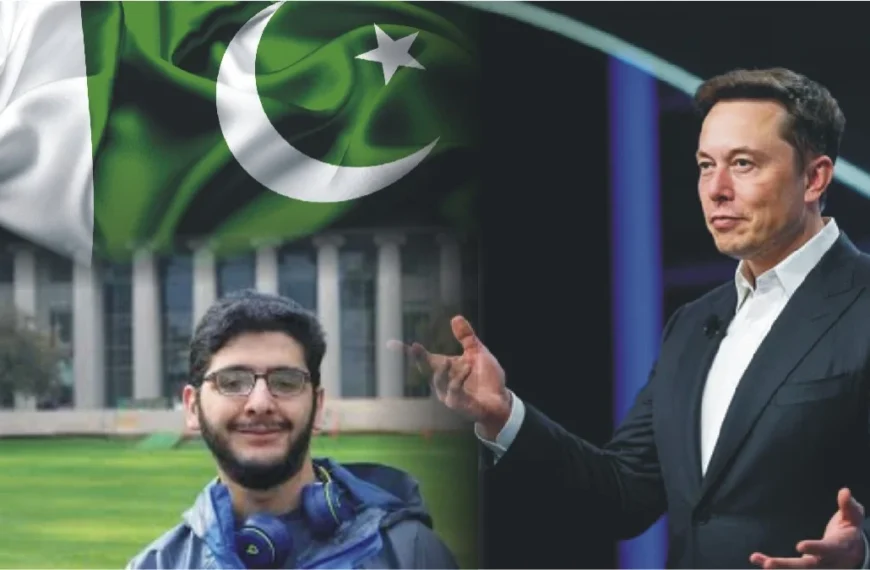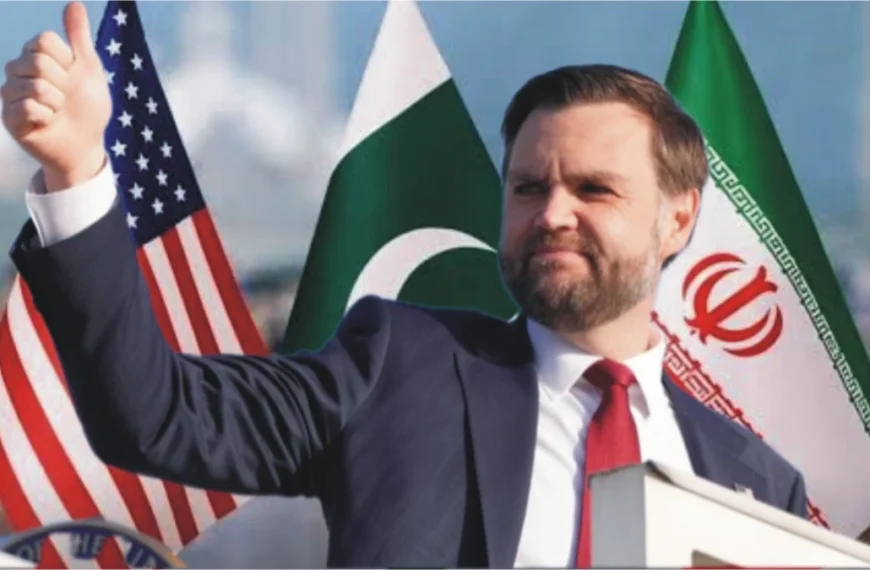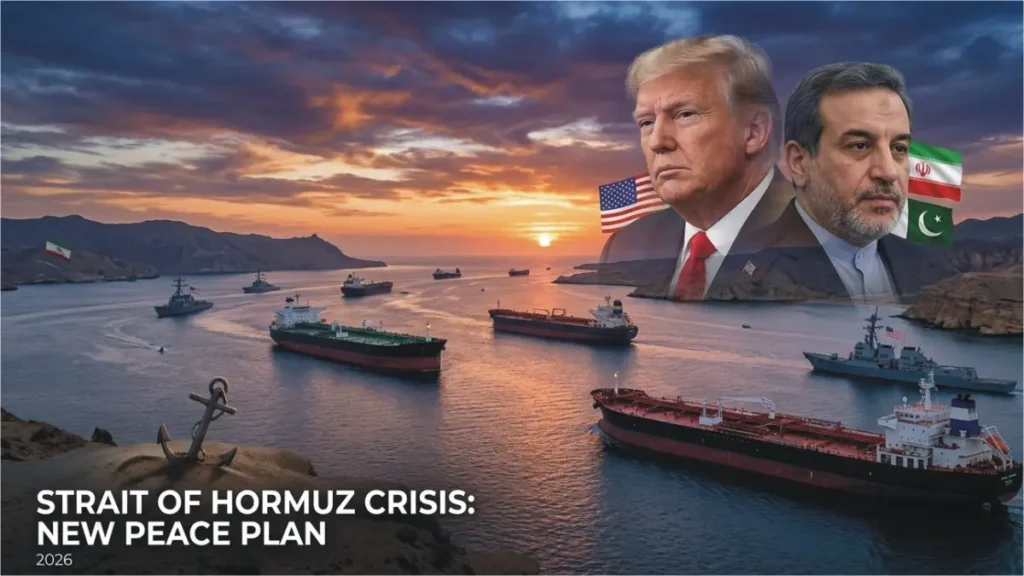

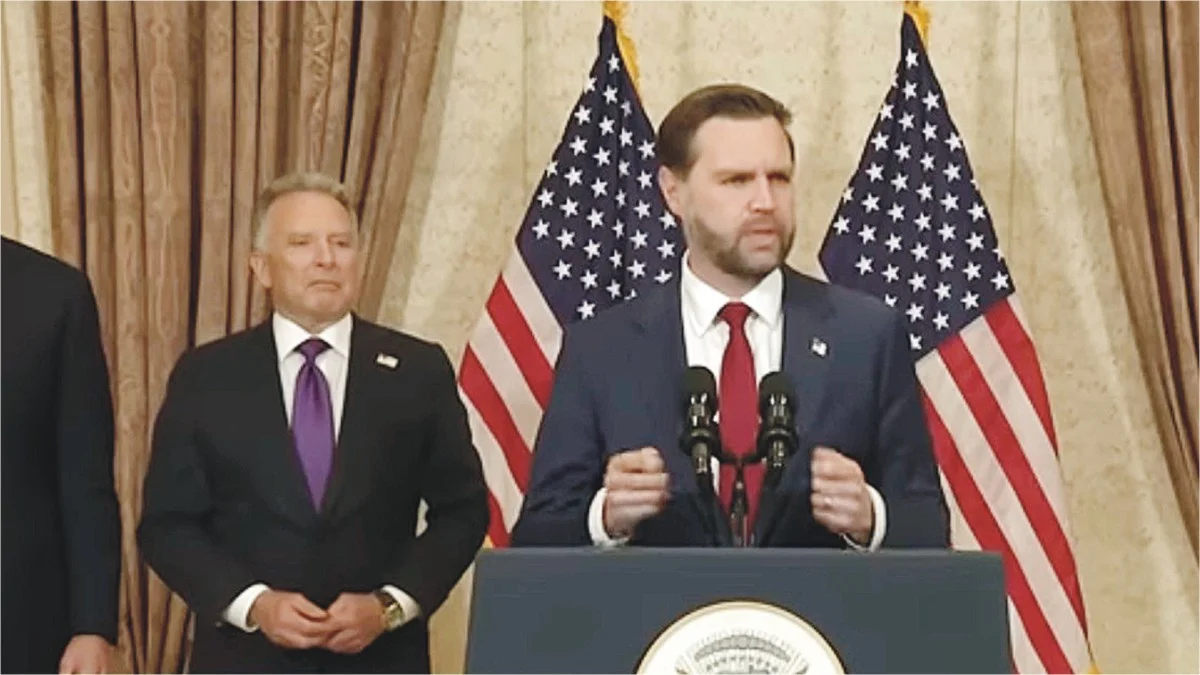
After 21 hours of intense negotiations in Islamabad, the United States and Iran failed to reach a deal. Led by JD Vance and Iranian officials, the talks ended without agreement due to deep differences over nuclear weapons, regional control, and security demands. Pakistan played a key mediator role.
Why the Talks Failed and What It Means
The recent US–Iran talks in Islamabad were one of the most important diplomatic efforts in years. This was the highest-level meeting between both countries since the Iranian Revolution. Despite global attention, the talks collapsed without a breakthrough.
Key Reasons Behind the Failure
- The United States demanded a clear and permanent commitment from Iran not to develop nuclear weapons. This includes stopping access to technologies that could lead to weapon production. Iran has historically resisted such strict conditions.
Control of the Strait of Hormuz
The Strait of Hormuz is one of the world’s most critical oil routes. Iran wants to maintain strong control over it, while the US sees this as a threat to global energy security. - Unlike earlier talks, this round covered multiple issues:
- Regional conflicts
Economic sanctions
War reparations
Ceasefire demands across the Middle East
- Regional conflicts
More topics created more disagreements.
- Israel’s continued military actions, led by Benjamin Netanyahu, complicated the talks. Iran demanded a broader ceasefire, including in Lebanon, which the US and Israel rejected.
- Iran openly stated that it did not expect a deal in the first meeting. This shows both sides came with long-term strategies rather than quick compromises.
Pakistan’s Role: A Diplomatic Balancing Act
Pakistan emerged as a key mediator in these talks. Foreign Minister Ishaq Dar confirmed that Islamabad will continue supporting dialogue between both countries.
Why Pakistan Hosted the Talks
- Pakistan maintains working relations with both the US and Iran
- It has experience in regional diplomacy
- It wants stability in the Middle East due to economic and security links
Why This Matters for Pakistan
Even though the talks did not succeed, Pakistan’s role is important for its global image.
- Pakistan imports oil. Any tension in the Strait of Hormuz directly increases fuel prices in cities like Lahore, Karachi, and Islamabad.
- Rising oil prices increase inflation, affecting transport, electricity, and daily goods.
- Regional instability can affect Pakistan’s western borders and trade routes.
- Pakistan can strengthen its global standing as a neutral mediator.
Background: A Long History of Conflict
To understand why these talks failed, it is important to look at history.
- The US and Iran have had strained relations since 1979
- A major agreement was signed in 2015 to limit Iran’s nuclear program
- That deal was later cancelled by former US President Donald Trump
- Since then, tensions have increased steadily
In 2026, the situation became worse after a major war involving the US, Israel, and Iran. More than 2,000 people were killed, and key infrastructure was damaged.
Why the World Is Watching
The failure of these talks is not just a regional issue. It affects the entire world.
Oil and Energy Crisis
- Around 20% of global oil passes through the Strait of Hormuz
- Any disruption can increase global oil prices
- Countries like Pakistan are highly vulnerable
Risk of Wider War
- Continued fighting between Israel and Iran-backed groups
- Possible involvement of more countries
- Increased military spending worldwide
Economic Uncertainty
- Markets react negatively to instability
- Trade routes become risky
- Inflation rises globally
Expert Insight
Fact-Check: Did the Talks Completely Fail?
It is not true.
- Discussions may continue remotely
- Both sides have not closed communication channels
- Diplomatic processes often take years
Fact-Check: Was a Deal Expected?
- Iran clearly said no quick deal was expected
- Past agreements took years to finalize
Fact-Check: Is War Inevitable Now?
- While tensions are high, diplomacy is still active
- Pakistan and other countries are pushing for continued talks
What Happens Next?
Even though the talks failed, several developments are likely:
- Quiet talks may continue without media attention
- The US may impose stricter sanctions
- Especially involving Israel and groups like Hezbollah
- Countries like Pakistan and Oman may step in again
Conclusion
The failure of US and Iran talks in Islamabad shows how complex global diplomacy has become. While no agreement was reached, the discussions themselves are a sign that both sides are still open to negotiation.
For Pakistan, this moment is both a challenge and an opportunity. Rising oil prices and regional instability are serious risks. At the same time, Pakistan’s role as a mediator can strengthen its position on the global stage.
The coming weeks will be critical. Whether through direct talks or behind-the-scenes diplomacy, the world will be watching closely.

 By
By