
Punjab Faces Early Heatwave Threat as Temperatures Rise
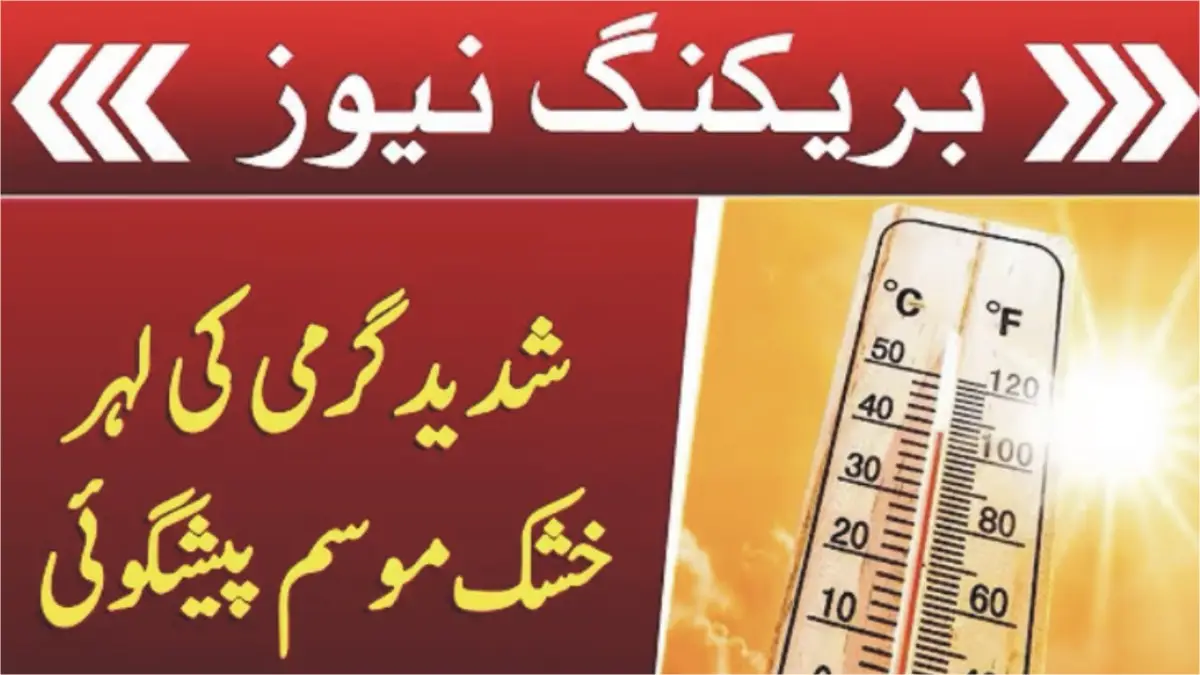
Punjab is set to experience unusual and intense heat in the coming weeks, with temperatures likely to reach up to 45–46°C by June, according to the Pakistan Meteorological Department (PMD). Early forecasts show that the heat will begin building from late April and may turn into full heatwave conditions across many parts of the province.
Officials say temperatures are already trending above normal and could stay that way throughout the early summer months, making 2026 a challenging season for millions of people.
Why This Heatwave Matters
This rising heat is more than just uncomfortable weather. It can directly affect people’s health, daily routines, and basic services. Experts warn that prolonged exposure to high temperatures can increase cases of heatstroke and dehydration, especially among children and the elderly.
At the same time, higher temperatures will likely push up electricity demand, increasing the risk of power outages. Water shortages may also become more serious, while farmers could face lower crop yields due to extreme weather, especially in South Punjab.
What Experts Say and What to Expect Next
According to PMD data, temperatures in April may stay 1–2°C above normal, rising further in May and peaking in June. In South Punjab, the increase could be even higher, with temperatures climbing 4–6°C above average on some days.
In cities like Lahore, the situation may feel worse due to the “urban heat island effect.” Environmental expert Dr Zulfiqar Ali explains that concrete buildings, traffic, and pollution trap heat, making cities significantly hotter than nearby rural areas. Lahore could see temperatures between 42°C and 45°C in May, with further increases likely in June.
Meteorological officials have warned that once temperatures cross 42°C for several days, it is classified as a heatwave. Such conditions are expected to become more frequent this year. Authorities are advising people to limit outdoor activity during peak hours, stay hydrated, and take basic precautions to avoid heat-related illnesses.
Experts also stress that climate change, reduced rainfall, and lack of greenery are major reasons behind this rising heat. Without timely action, they warn, heatwaves in Punjab could become even more severe in the future, affecting health, water supply, and the overall economy.


 By
By