
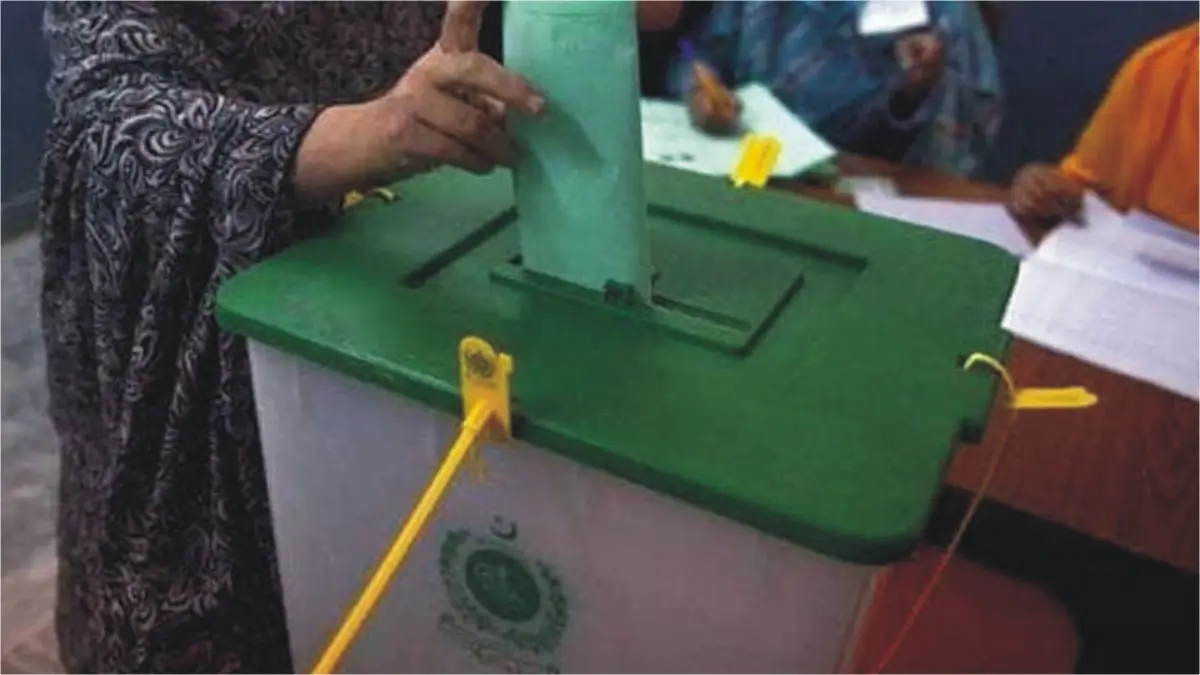
The Election Commission of Gilgit-Baltistan has released the complete general election calendar for 2026. The process in Gilgit-Baltistan starts April 16, 2026, leading to polling on Sunday, June 7, 2026.
This marks the first clear and final roadmap after months of delays and two earlier schedule changes.
Full Election Timeline Now Fixed
The election will follow a strict legal sequence with no room for delays.
- Nomination papers: April 16 to April 20
- Preliminary candidate list: April 21
- Scrutiny phase: April 22 to April 28
- Appeals deadline: May 9
- Withdrawal of candidates: May 11
- Final list and symbols: May 12
- Polling day: June 7
This timeline compresses all major steps into 52 days, from nomination start to voting day.
25-Day Campaign Window Creates Pressure
The real political contest begins after May 12, when final candidates and symbols are confirmed.
Candidates will get only 25 days to campaign across difficult terrain. In remote areas like Skardu and Hunza, travel time alone reduces outreach capacity.
A 48-hour silence period will begin before polling, stopping all rallies and public messaging.
Strict Code of Conduct Enforced Immediately
With the schedule active, election restrictions are now in force.
- No new government development projects can be launched
- Transfers and postings of officials are fully frozen
- Candidates must use separate bank accounts for campaign funds
These financial and administrative controls aim to limit influence and ensure transparency.
Operational and Legal Pressure on Candidates
The nomination phase is only 5 days long, making it one of the shortest entry windows.
Scrutiny will run for 7 days, followed by appeals until May 9. Any delay or paperwork issue can remove candidates from the race.
This system increases compliance pressure and reduces last-minute legal disputes.
Strategic Importance Raises Stakes
Gilgit-Baltistan remains critical for national planning.
- Key access point for China-Pakistan Economic Corridor (CPEC)
- Important for cross-border trade routes
- Central to future infrastructure investments
A fully elected assembly is needed to restart stalled policy decisions and project approvals.
What Makes This Election Different
This cycle stands out due to three key factors.
First, the tightest timeline in recent years. Second, strict financial monitoring of candidates. Third, complete administrative freeze during the process.
The next phase will move fast. Candidates must file papers within days, pass scrutiny, and prepare for a short but intense campaign.
Turnout, security and compliance will define the credibility of the June 7 vote. The outcome will shape governance and economic direction in the Gilgit Baltistan region for the next five years.


 By
By