
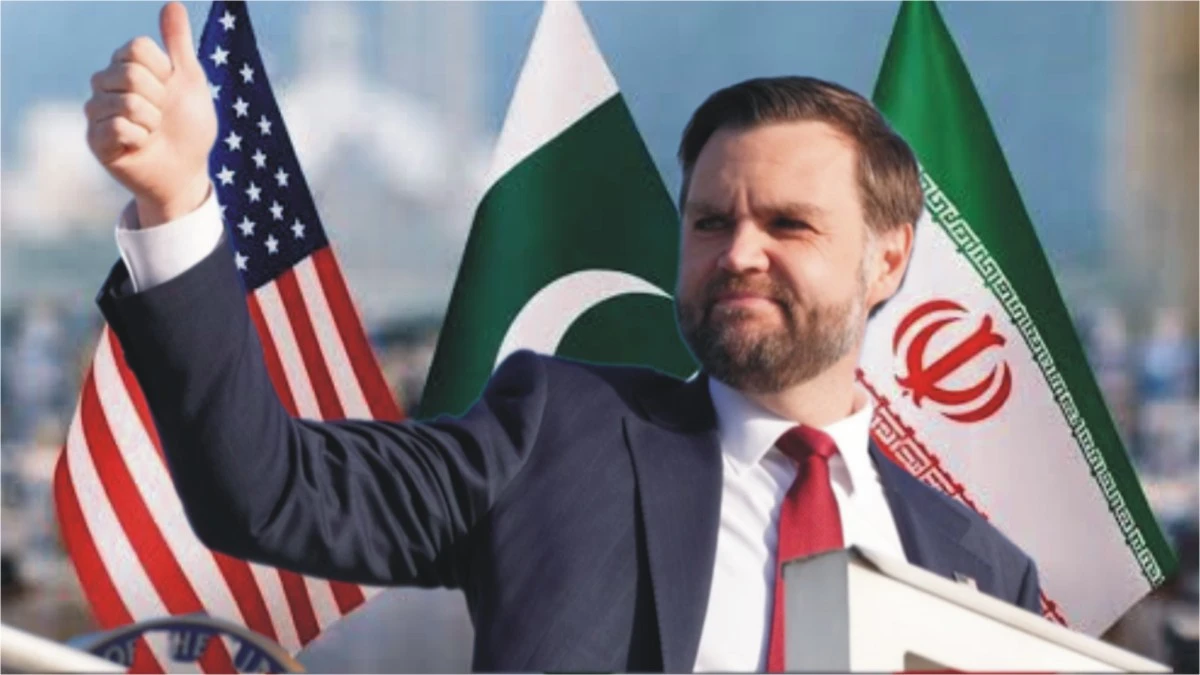
The highly anticipated visit of United States Vice President JD Vance to Islamabad has been officially suspended. The New York Times reported now. The Vice President was expected to arrive in the Pakistani capital on Tuesday morning to lead a second round of peace talks between the U.S. and Iran.
However, the White House announced a sudden change of plans, stating that the delegation’s departure is now “on hold.” This decision comes at a very sensitive time, as the current regional ceasefire is nearing its expiration date.
Why the Washington Delegation Delayed the Trip
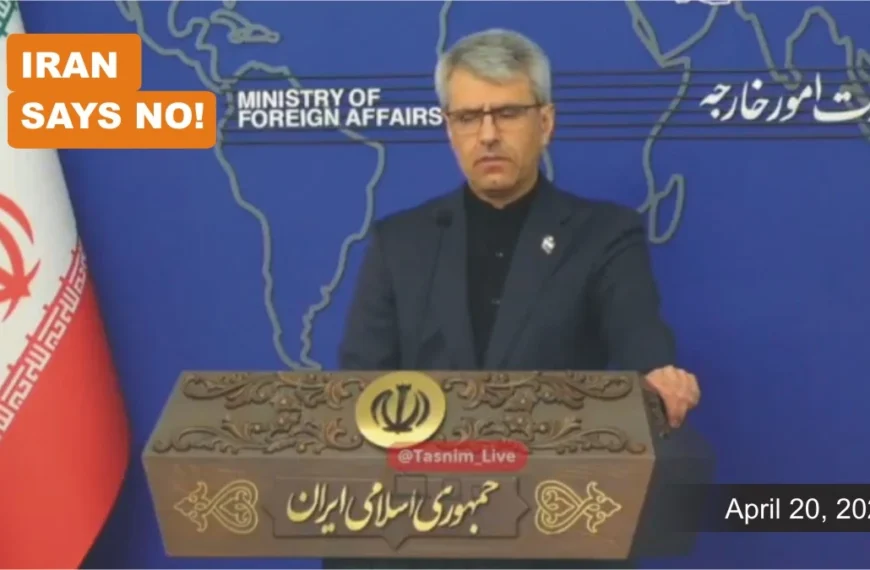
The primary reason for the suspension of the trip is a lack of clear communication from Tehran. According to official sources, the U.S. government is still waiting for a formal response to the diplomatic proposals sent last week. U.S. officials believe that moving forward with the trip without a guaranteed commitment from the Iranian leadership would not be productive.
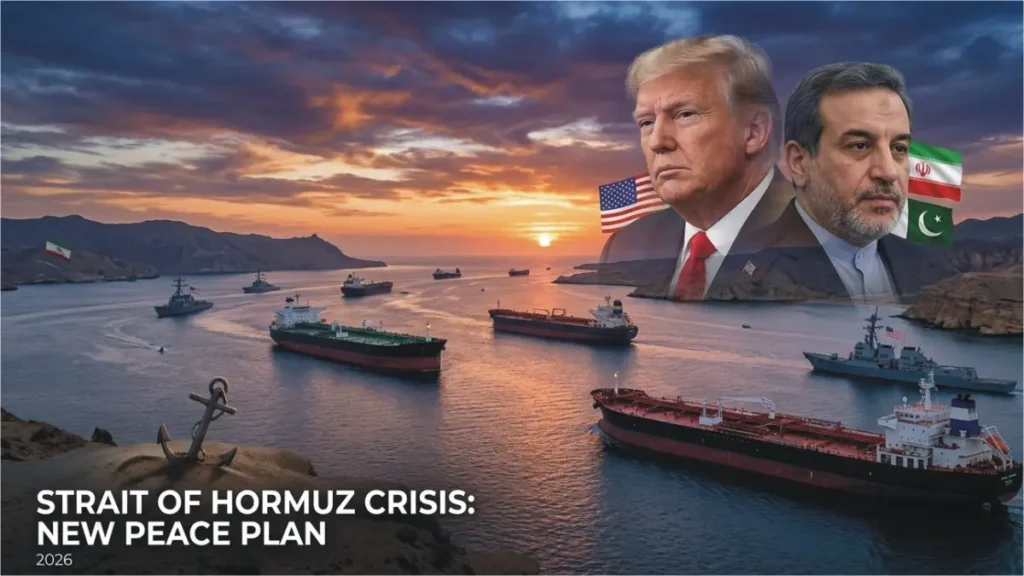
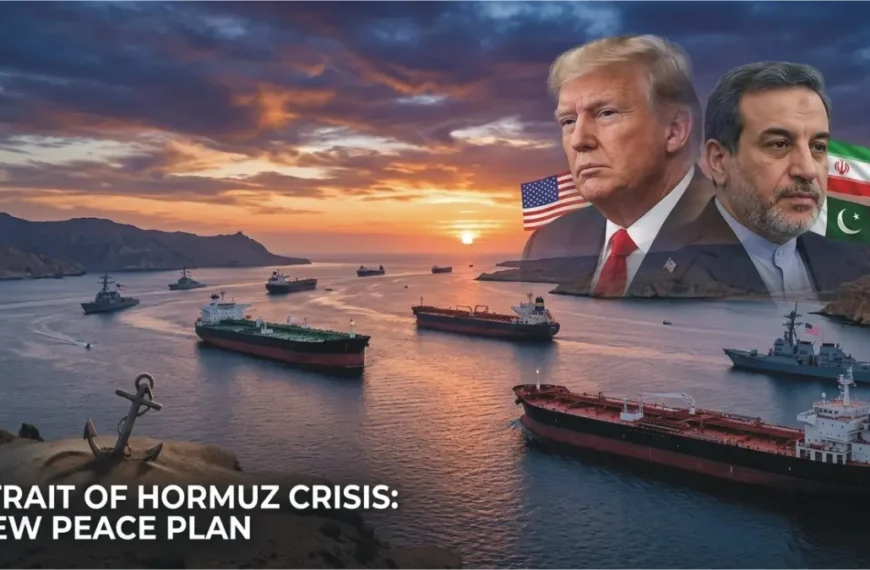
There are also growing concerns regarding security in the Strait of Hormuz. Iranian officials have recently pointed to the U.S. naval presence in the region as a major obstacle to dialogue. They have requested more clarity on maritime boundaries before returning to the negotiating table.
Because of these unresolved issues, the U.S. team—which includes Special Envoy Steve Witkoff and Jared Kushner—remains in Washington for additional policy meetings. The goal is to ensure that when the Vice President does travel to Islamabad, there is a clear path toward a final agreement.
Pakistan’s Essential Role as a Peace Mediator
Pakistan continues to serve as the main host and mediator for these historic negotiations. The first round of talks, held in Islamabad on April 11–12, 2026, was seen as a significant step forward. Prime Minister Shehbaz Sharif and Pakistan’s military leadership have been working tirelessly to coordinate between Washington and Tehran.
Their efforts have made Islamabad the central hub for Middle Eastern and South Asian diplomacy in 2026.
Despite the delay in the Vice President’s arrival, the Pakistani government has kept all diplomatic channels open. High-level security remains in place across the capital’s “Red Zone,” and local officials are ready to welcome the U.S. delegation at a moment’s notice. For Pakistan, the success of these talks is vital. A peaceful resolution would lead to greater regional stability and could open new doors for international trade and economic cooperation in the region.
The Looming Ceasefire Deadline
The most urgent issue is the expiration of the current ceasefire agreement, which is scheduled for Wednesday, April 22. This agreement has prevented major conflict over the past few months, but its future is now uncertain. If the talks in Islamabad do not resume quickly, there is a fear that tensions could rise once again.
Diplomatic experts suggest that the “suspension” of the trip is a tactical move. By staying in Washington, the U.S. is signaling that it requires a serious commitment from all parties involved. However, the clock is ticking.
Both the U.S. and Iran are under pressure from the international community to extend the ceasefire and avoid further escalation. The world is now watching Islamabad to see if the two sides can find common ground before the deadline passes.
This situation remains fluid, and news from the White House or the Pakistani Foreign Office could change the outlook at any hour. For now, the people of Pakistan and the international community remain hopeful that diplomacy will prevail over conflict. Stay tuned for further updates as this story develops.

 By
By