
Iran Rejects New Peace Talks in Islamabad as Regional Tension Rises
ISLAMABAD – The government of Iran has officially confirmed today, April 20, 2026, that it has no plans to join a second round of peace negotiations in Islamabad. This announcement comes at a very sensitive time for the region.
The current ceasefire, which was organized with the help of Pakistan, is set to end this Wednesday, April 22. Without a new agreement, many people in the region worry that the conflict could grow larger.
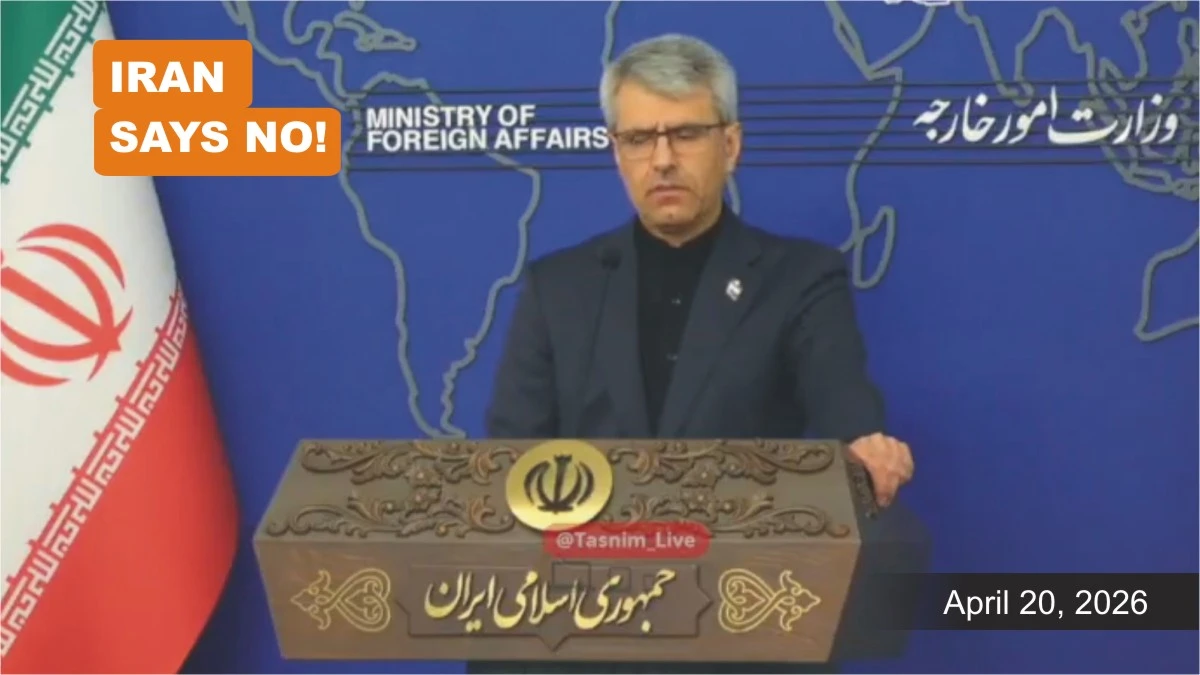
State media in Tehran reported that the Foreign Ministry does not see a reason to return to the table right now. They described the reports of a new meeting as a “media game” created by the United States. This decision has caused concern in Islamabad, where Pakistani leaders have been working hard to bring both sides together to prevent a wider war.
For the people of Pakistan, this news is important because any conflict in the neighborhood can affect fuel prices, trade, and regional safety.
Tehran: No Plans Yet For Further Talks
— Tasnim News Agency (@Tasnimnews_EN) April 20, 2026
Iranian Foreign Ministry spokesman Esmaeil Baqaei stated on Monday that Tehran currently has no plans for a subsequent round of negotiations. pic.twitter.com/476CuTy1cN
The situation began to get worse after the first round of talks earlier this month. While those meetings were respectful, they did not lead to a final deal. Since then, new problems at sea and a naval blockade have made it very difficult for the two countries to trust each other. Iran has stated clearly that it will not talk while it is under military pressure.
The Main Reasons for the Diplomatic Breakdown
There are several clear reasons why these talks have stopped. The most important issue is the naval blockade that the United States started on April 13. Iran says this blockade is an act of war and a violation of the ceasefire that Pakistan helped to create on April 8.
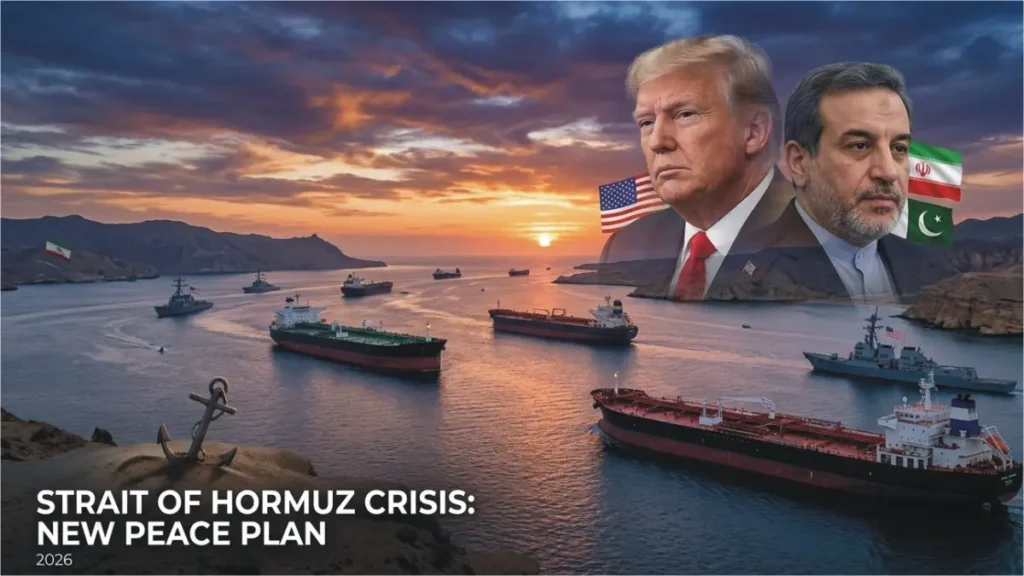
Because of this blockade, Iranian ships are finding it hard to move through international waters. This has led to a direct standoff in the Strait of Hormuz, which is one of the most important paths for oil in the world.
Another major problem is the list of demands. During the first meeting in Islamabad, Iran presented a 10-point plan. They want to have more control over the waters near their coast and want all sanctions to be removed immediately. On the other side, Washington is asking for very strict rules on Iran’s nuclear program. Neither side is ready to change its mind. Tehran believes that the U.S. is asking for too much without giving anything back.
The role of Pakistan has been very important during this crisis. Prime Minister Shehbaz Sharif and military leaders have been acting as messengers between the two sides. Pakistan wants peace because a stable Iran is better for the Pakistani economy.
However, with Iran now refusing to come to Islamabad, the mediators are in a difficult position. They are trying to convince both sides that a “no-talk” policy will only lead to more danger for everyone in the Middle East and South Asia.
How Recent Events at Sea Affected the Decision
Events over the last 48 hours have made the situation much more serious. Just yesterday, there were reports that a U.S. warship stopped an Iranian cargo ship near the Strait of Hormuz. Iran called this “armed piracy.” This event changed the mood in Tehran quickly. Before this happened, there was a small hope that the two sides might meet again. Now, that hope has mostly disappeared.
The naval blockade has not only stopped Iranian ships but has also caused a spike in global energy prices. In Pakistan, people are watching these events closely because the cost of petrol and transport is linked to the safety of these sea routes.
If the Strait of Hormuz is closed or becomes a battle zone, the economic impact will be felt in every household in the region. Iran’s leaders have warned that they have the power to stop shipping if they are pushed too far, which is a threat that the international community takes very seriously.
Another factor is the internal politics within Iran. Some groups in the government believe that talking to the U.S. while the blockade is active makes the country look weak. They are pushing for a stronger response instead of more diplomacy.
This internal pressure makes it very hard for the Iranian Foreign Ministry to agree to new talks in Islamabad. They have told the Pakistani mediators that until the U.S. ships move back and the blockade ends, the chairs in the meeting hall in Islamabad will remain empty.
The Road Ahead and the April 22 Deadline
As the clock moves toward Wednesday, April 22, the risk of the ceasefire ending is the biggest worry. If the ceasefire expires without a new plan, both militaries might start operations again. This could mean more incidents at sea or even strikes on land.
International experts are calling this a “dangerous moment” for global peace. Many countries are now looking to Pakistan to see if a last-minute phone call can change the situation.
U.S. officials have said they are still open to talking. The U.S. Energy Secretary, Chris Wright, suggested recently that a deal was possible. However, the actions on the water speak louder than the words in the press. For Iran, the presence of foreign warships near its coast is a “red line” that cannot be ignored. They feel that the U.S. is trying to use the Islamabad talks to force Iran into a weak position.
For the readers in Pakistan, the next 48 hours will be critical. If diplomacy fails, the region could enter a period of high instability. The Pakistani government is expected to make another official statement later tonight to encourage both sides to think about the people who will suffer if a war starts.
For now, the world must wait and see if any secret letters or messages can bring the two sides back to the table before the ceasefire ends.

 By
By