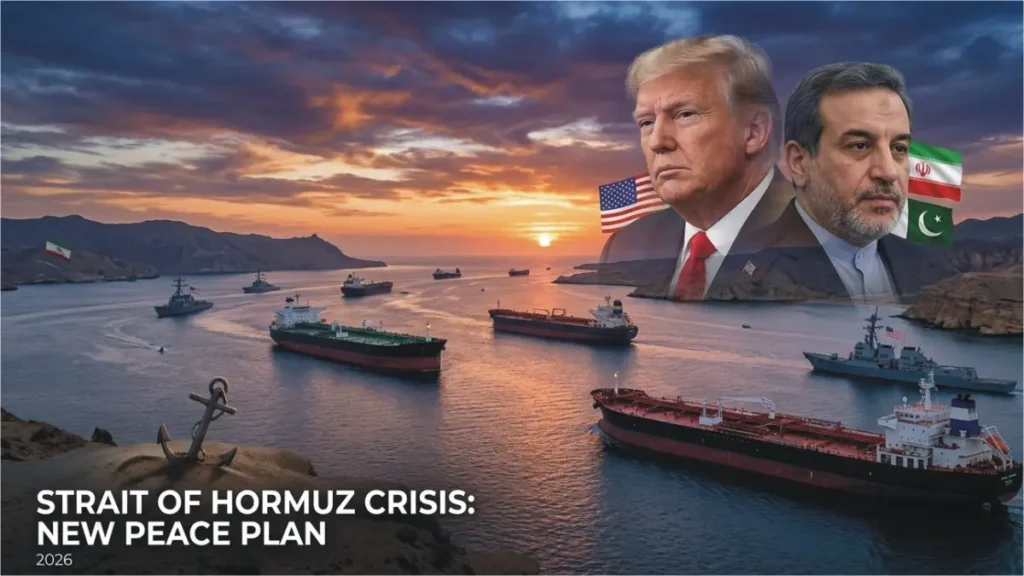

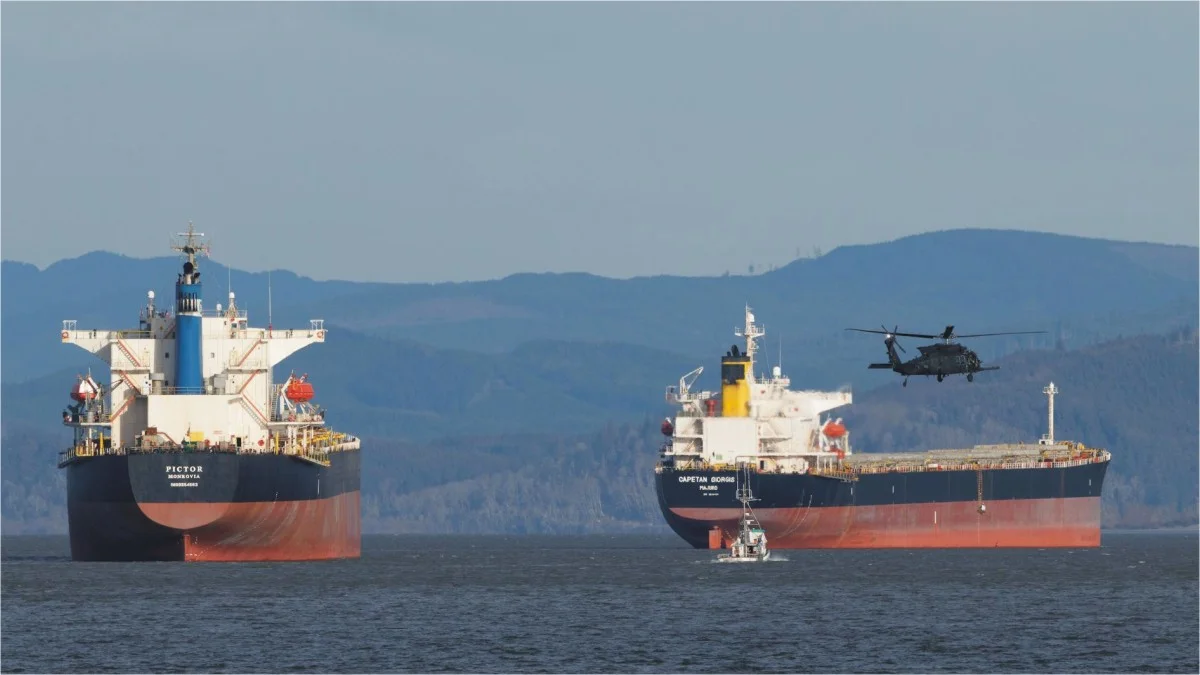
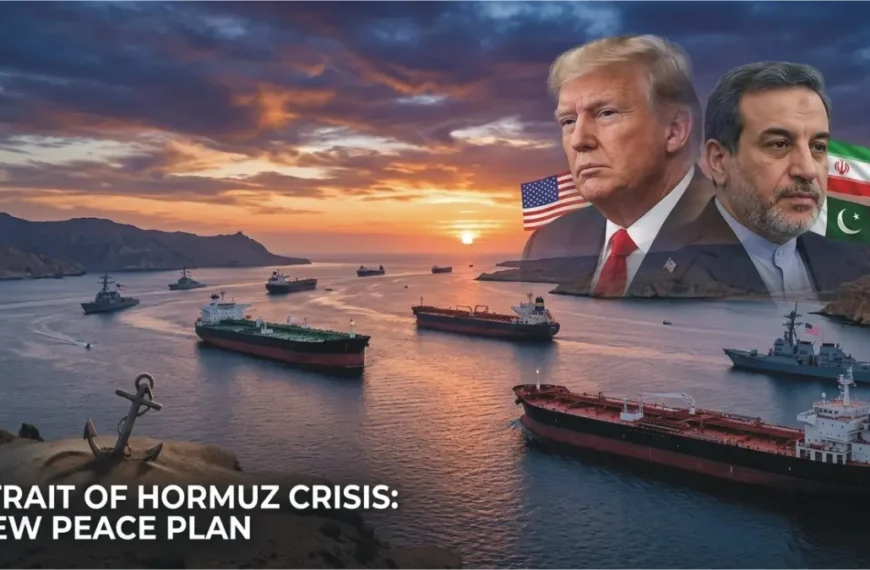
Global tensions surged on Monday after Donald Trump announced a potential naval blockade of the critical Strait of Hormuz, following the sudden collapse of high-stakes peace talks with Iran.
The move, if implemented, could disrupt nearly 20% of the world’s oil supply, sending shockwaves through global energy markets, potentially hitting countries like Pakistan hard.
What Happened: Talks Collapse After 21 Hours
According to Trump, U.S. and Iranian officials engaged in marathon negotiations lasting over 21 hours, but failed to reach an agreement on the most critical issue: Iran’s nuclear program.
Speaking to Fox News, Trump said:
“They want to have nuclear weapons. They’re not going to have nuclear weapons.”
He made it clear that the United States would not tolerate Iran developing nuclear capabilities, calling it a “red line” he has maintained for decades.
Within hours of the talks breaking down, Trump took to social media to announce a dramatic escalation: a planned naval blockade targeting shipping linked to Iran.
The latest development marks a serious escalation in US-Iran tensions. After more than 21 hours of negotiations failed, Trump publicly stated that Iran’s nuclear ambitions remain the main obstacle to any agreement. He made it clear that the United States would not allow Iran to develop nuclear weapons.
Soon after, Trump announced that the United States Navy could begin stopping ships that have financial links with Iran. These operations may not be limited to the Strait itself but could extend into international waters.
This changes the situation in a major way. In the past, the United States focused on keeping the Strait of Hormuz open to ensure stable oil supply. Now, the approach appears to be shifting toward restricting access as a form of pressure on Iran.
The Strait itself is one of the most sensitive points in the global economy. Around one-fifth of the world’s oil passes through this narrow route every day. Even a small disruption can create panic in markets and push prices higher.
Military experts, including analysts from the International Institute for Strategic Studies, say the United States has enough naval strength to enforce such a move. However, the real challenge is not military—it is political. A blockade could increase tensions quickly and lead to a wider conflict.
Why This Matters for Pakistan
For Pakistan, this is not just international news. It has direct economic consequences.
Pakistan depends heavily on imported oil. If global prices increase due to tensions in the Strait, the country will feel the impact almost immediately. Petrol and diesel prices could rise, which would affect transport, electricity, and food costs.
Inflation is already a concern for many households. Higher fuel costs often lead to a chain reaction. Transport becomes expensive, goods become costly, and daily life becomes more difficult for ordinary citizens.
There is also pressure on Pakistan’s economy at a larger level. A rise in oil prices increases the import bill. This can weaken the Pakistani Rupee and put stress on foreign exchange reserves.
In simple terms, a crisis in the Strait of Hormuz can quickly turn into an economic challenge for Pakistan.
Expert Insight
There are several important points that need careful understanding.
First, a full blockade of the Strait is extremely difficult. The waterway is narrow but very busy, with ships from many countries passing through daily. Completely stopping traffic would require continuous monitoring and strong enforcement.
Second, under international law, blocking a major global shipping route can be seen as an act of war. This means any such move carries serious legal and diplomatic risks.
Third, Iran has previously warned that if its oil exports are restricted, it may respond by disrupting shipping in the region. This could affect not only the United States but also other countries that rely on this route.
Finally, global powers such as China and European nations are likely to react strongly if oil supply is threatened. This makes the situation complex and unpredictable.
Conclusion
The announcement by Donald Trump about a possible blockade of the Strait of Hormuz signals a turning point in US-Iran relations. While the United States has the military strength to attempt such a move, the economic and political risks are very high.
For Pakistan, the biggest concern is rising oil prices and increasing inflation. Even without a full blockade, the tension alone can disturb global markets.
The coming days will be critical. If diplomacy fails and action is taken, the impact could be felt far beyond the Middle East, reaching households across Pakistan.

 By
By