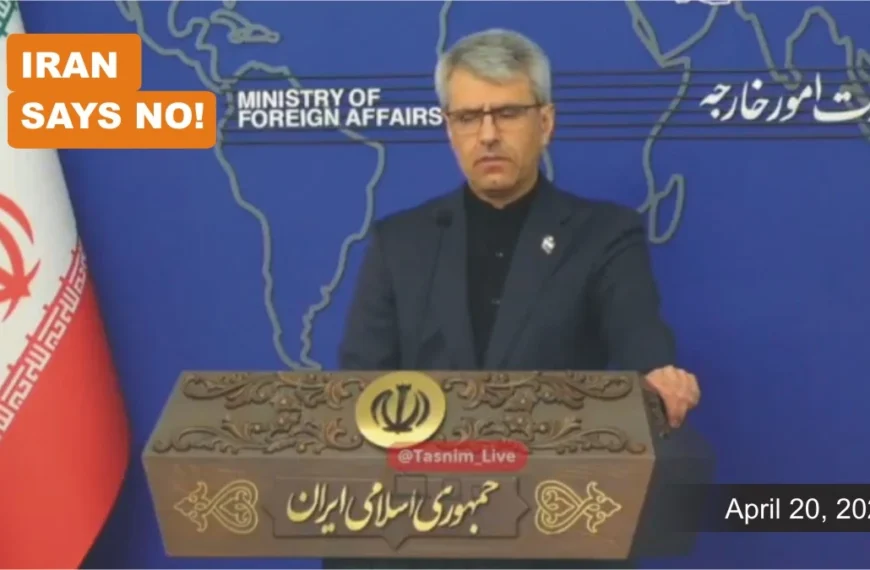

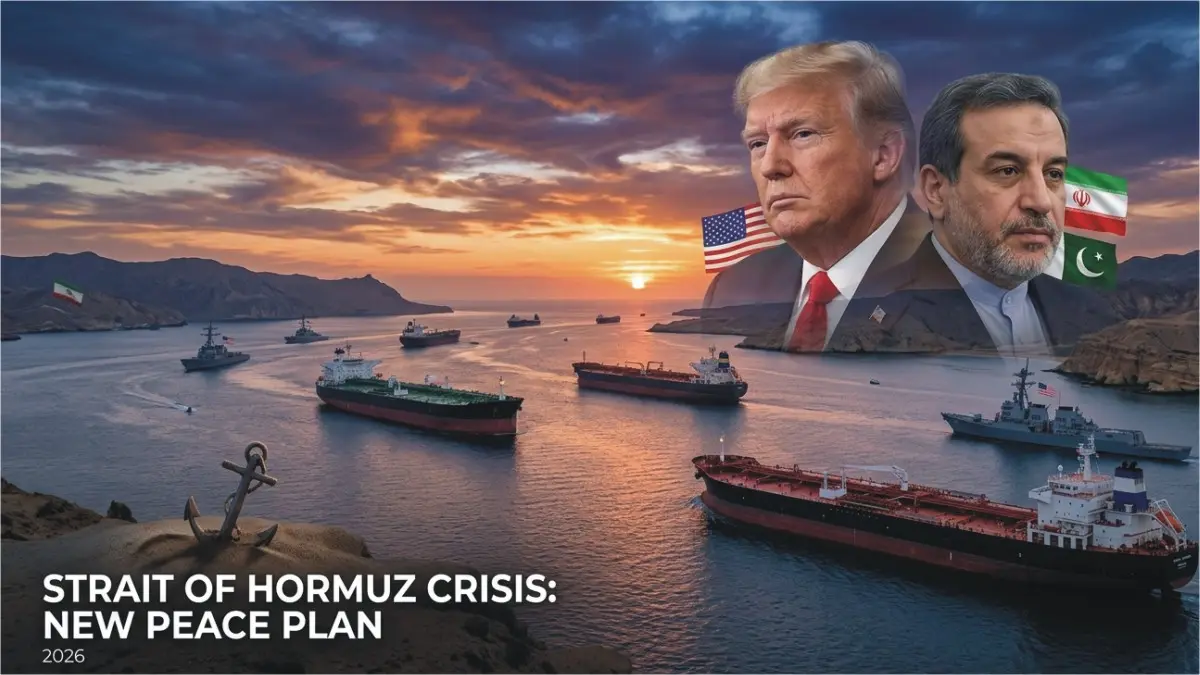
ISLAMABAD — The Iranian government has presented a new diplomatic proposal to the United States aimed at ending the two-month-long war and reopening the Strait of Hormuz. According to U.S. officials and sources familiar with the matter, the plan was delivered through Pakistani mediators over the weekend.
The Iranian proposal suggests a two-stage process to end the crisis. First, both nations would agree to a long term ceasefire and a permanent end to the war. Iran would reopen the Strait of Hormuz to all international shipping, and in exchange, the U.S. would lift its naval blockade on Iranian ports.
The second stage, negotiations regarding Iran’s nuclear program and uranium enrichment, would be postponed for a later time.
This new offer comes as the leadership in Tehran remains divided on how to handle U.S. demands. By moving the nuclear issue to a later stage, Iran hopes to gain immediate economic relief and stop the “suffocation” of its oil exports.
For Pakistan, which has acted as a key mediator, the success of these talks is vital to regional stability and the lowering of global fuel prices.
Trump’s Maximum Pressure and the “Three-Day” Deadline
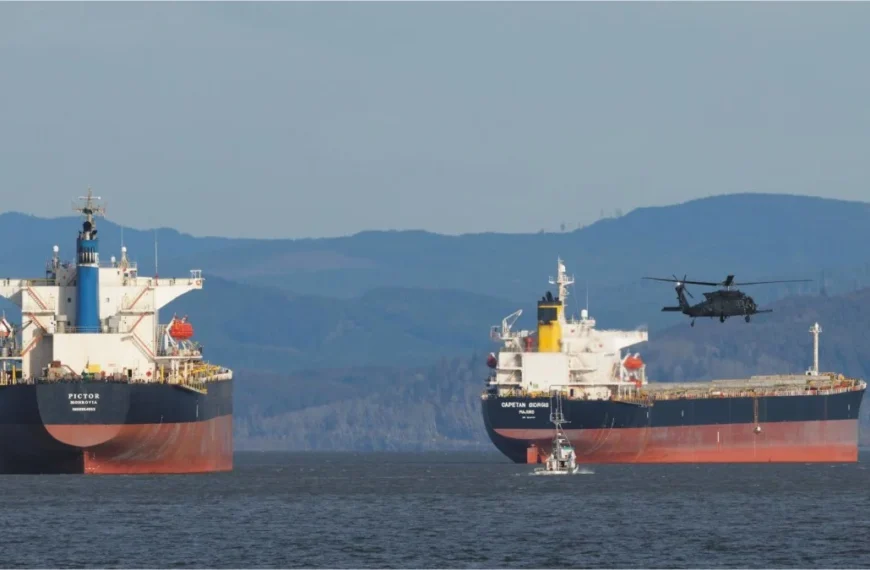
President Donald Trump held a meeting in the White House Situation Room on Monday to discuss the proposal with his national security team. For the past several weeks, the U.S. has maintained a strict naval blockade that has stopped almost all Iranian oil from leaving the country. Trump believes this strategy is working and is hesitant to give up his leverage.
In a recent interview, President Trump suggested that the blockade is putting extreme physical pressure on Iran’s energy infrastructure. He explained that because Iran cannot ship its oil, its internal storage systems are becoming dangerously full. “They say they only have about three days before that line explodes from within,” Trump said. The President appears to be waiting to see if the Iranian government will meet all U.S. demands before he agrees to any deal.
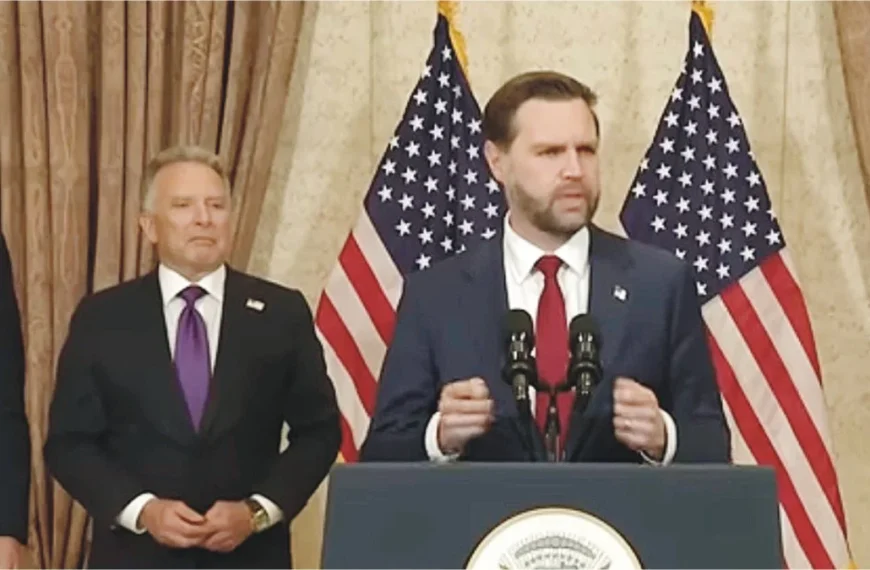
U.S. Secretary of State Marco Rubio also expressed serious doubts about the Iranian offer on Monday morning. Rubio argued that Iran’s version of “opening” the Strait might still involve Iranian control or fees for passing ships. He emphasized that the Strait of Hormuz is an international waterway and that the U.S. will not tolerate any system where Iran decides who can use it.
White House Updates and the Path Forward
During a press briefing at 1:00 PM ET on Monday, White House Press Secretary Karoline Leavitt confirmed that the administration is reviewing the Iranian proposal. However, she made it clear that the U.S. is not prepared to move backward. Leavitt stated that U.S. warships will not retreat from their current positions despite threats from Tehran.
Leavitt emphasized that any provocation against U.S. forces would be met with “overwhelming force.” While President Trump remains open to a deal that ends the war, the White House maintains that its “red lines” regarding Iran’s nuclear program are non-negotiable. The U.S. wants a guarantee that Iran will never obtain a nuclear weapon before the blockade is fully lifted.
As the diplomacy continues, Iranian Foreign Minister Abbas Araghchi has traveled to Moscow to meet with Russian President Vladimir Putin. Russia has expressed support for Iran, adding more complexity to the situation. Meanwhile, in Pakistan, officials continue to monitor the “phone diplomacy” between Washington and Tehran. If the two sides cannot reach an agreement soon, the fragile ceasefire could end, leading to further conflict in one of the world’s most important shipping routes.


 By
By