
ISLAMABAD – While the world watches missile exchanges in the Middle East, a different kind of battle is being fought inside Pakistani homes. It is a battle against darkness, empty stoves and a cost of living that is going out of control.
Pakistan is currently paying a heavy price for a conflict it did not start. Since the confrontation between the United States and Iran led to the closure of the Strait of Hormuz, the country’s economy has entered a state of national emergency.
Crisis at the Doorstep
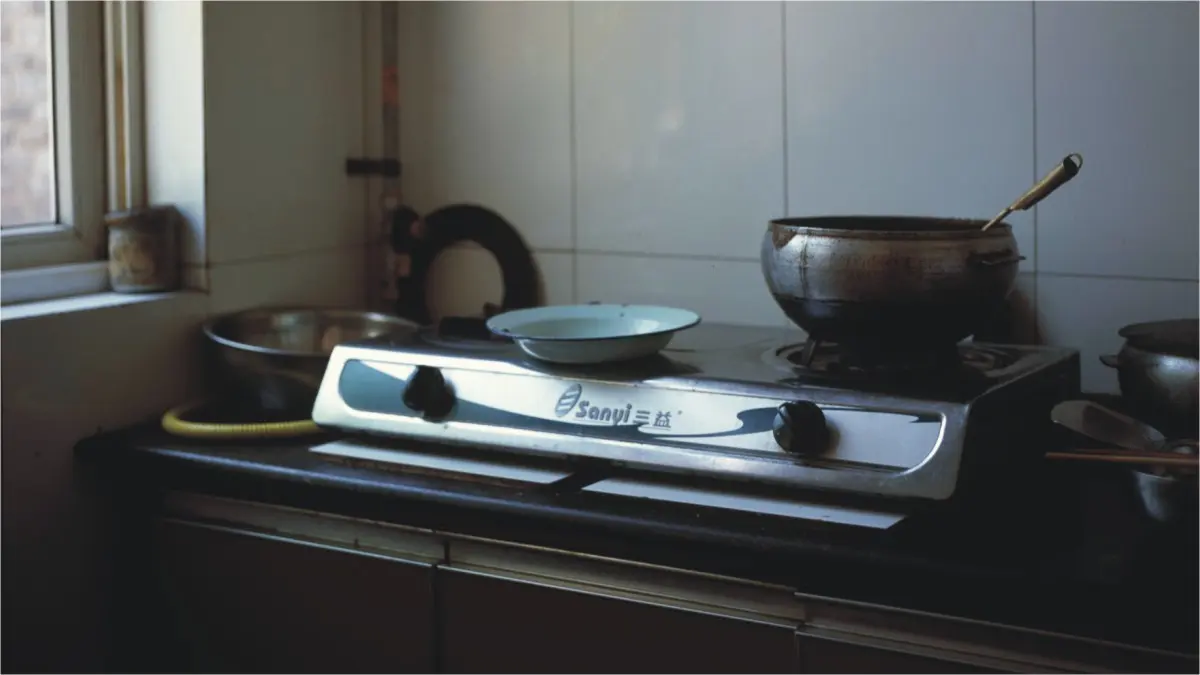
In April, as global headlines focused on military movements, Pakistani families were focused on their kitchens. For many, the stoves have gone cold. The country is facing its worst gas crisis in history, triggered by a massive slowdown in the global supply chain.
The impact is not just limited to cooking. This disruption has directly caused a nationwide electricity crisis. Nearly one third of Pakistan’s power is generated using imported gas. When the supply stopped, the lights went out.
“We were facing power cuts of up to seven hours a day in major cities just two weeks ago,” says one resident in Rawalpindi. “The gas situation is even worse. You can’t cook, you can’t work and you can’t stay cool.”
The Numbers Behind the Emergency
A simple yet painful reality is that Pakistan imports 85% of its energy needs. When global prices jump, the country has no shield.
Oil Prices: Brent Crude Oil hit a peak of $126 per barrel last Friday. While it has settled around $110 today, the damage is already done.
Petrol Shock: Only two months ago, petrol was priced between 260 and 280 rupees. Today, it has surged to nearly 400 rupees per litre.
Inflation: In April, inflation hit 10.9 percent, the highest level the country has seen in two years.
| Category | Price (2 Months Ago) | Price (Today) |
|---|---|---|
| Petrol (per litre) | Rs. 260 – 280 | ~Rs. 400 |
| Inflation Rate | ~7–8% | 10.9% |
| Power Cuts | 1–2 Hours | Up to 7 Hours |
A Choice Between Darkness and Debt
The government found itself in a “lose-lose” situation. To keep the lights on, they had to buy extremely expensive gas on the international market. To save money, they had to let the country face blackouts. Ultimately, they did both.
The Energy Minister recently claimed that the arrival of a new LNG (Liquefied Natural Gas) cargo has provided some temporary relief. However, in many areas, load shedding continues.
The Broader Economic Impact
With a trade deficit (the gap between what the country buys and what it sells) of $28 billion, Pakistan is no longer just facing a “fuel problem.” The energy crisis has evolved into a total economic burden that has entered every household.
As transport costs rise due to Rs.400/litre fuel, the price of everything from milk to vegetables follows. For the average citizen, the war in the Middle East is not just about geopolitics, it is about whether they can afford to turn on the stove tomorrow morning.

 By
By