
Pakistan Government sets Kharif Crop Targets to Control Food Prices and Support Farmers
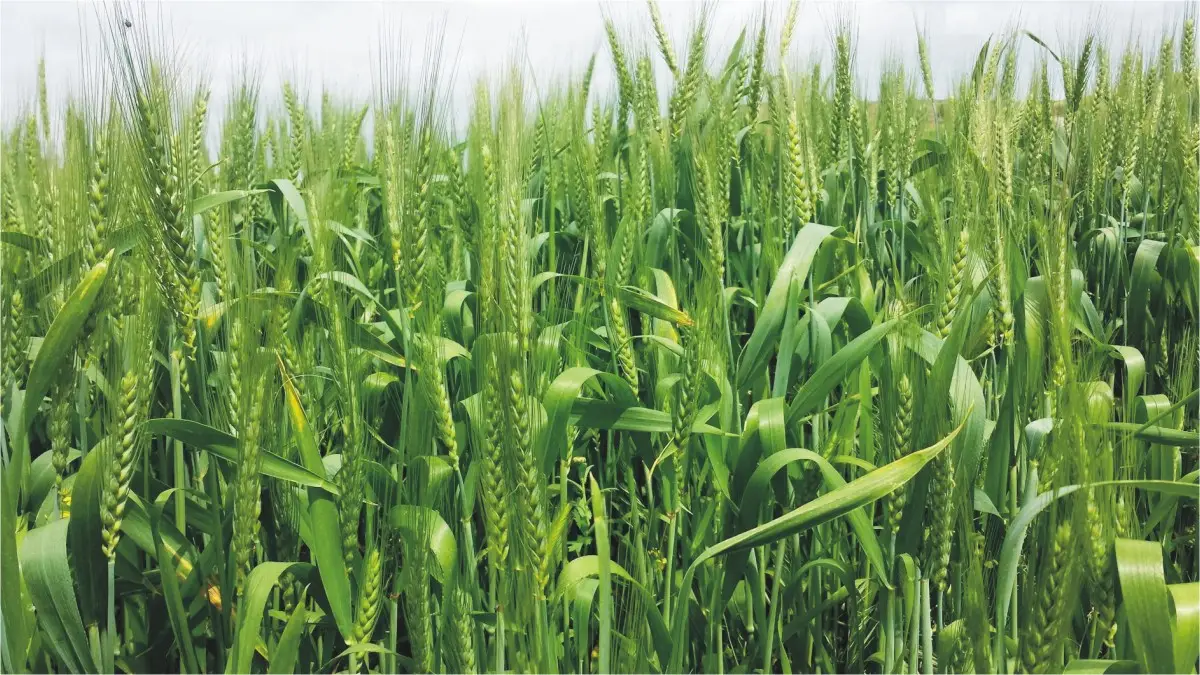
Pakistan has announced new production targets for major summer crops for the 2026–27 season, including 9.17 million tons of rice and 9.64 million bales of cotton, according to the Ministry of National Food Security and Research, as part of efforts to stabilize food prices and support farmers.
Why This Matters for Everyday Pakistanis
The new targets come at a time when many households across Pakistan are already struggling with rising food prices. Agriculture plays a central role in the country’s economy, and any change in crop output directly affects the cost of basic items like rice, sugar, and cooking oil.
The government has set targets for key crops under the Kharif season, which includes rice, cotton, maize, and sugarcane. These crops are essential not only for food supply but also for exports and rural income.
For cities like Lahore, Karachi, and Faisalabad, stable agricultural output means more predictable food prices in local markets. If production targets are achieved, it could reduce pressure on prices. However, if crops underperform, inflation may continue.
The situation is also linked to global developments. Tensions around the Strait of Hormuz have increased fuel prices, which directly impact transport and fertilizer costs in Pakistan. This makes farming more expensive and can push food prices higher for consumers.
Federal Minister Rana Tanveer Hussain stated that while food is generally available in the country, affordability remains a major issue, especially for low-income families.
Can Pakistan Achieve These Targets?
Officials believe the targets are achievable, but there are real challenges on the ground.
Water supply is expected to remain stable this season, and the government has indicated that seed and fertilizer availability will be sufficient. However, soil moisture is already under stress due to earlier dry conditions.
Weather remains another key risk. Unexpected events like heatwaves, strong winds, or hailstorms can damage crops and reduce yields.
To support farmers, the State Bank of Pakistan plans to increase agricultural loans to Rs3,062 billion in fiscal year 2026. This could help farmers manage rising costs and invest in better farming methods.
What It Means for Farmers and Consumers
For farmers in Punjab, Sindh and other agricultural regions, these targets bring both opportunity and pressure. Higher production goals can lead to better income, but only if input costs remain manageable and weather conditions stay favorable.
For consumers, especially in urban areas, the impact will be seen in daily expenses. If crop production meets expectations, food prices may stabilize. If not, households may continue to face rising costs.
The government has emphasized improving productivity and promoting modern farming techniques. However, the real test will be how effectively these policies reach farmers at the local level.

 By
By