
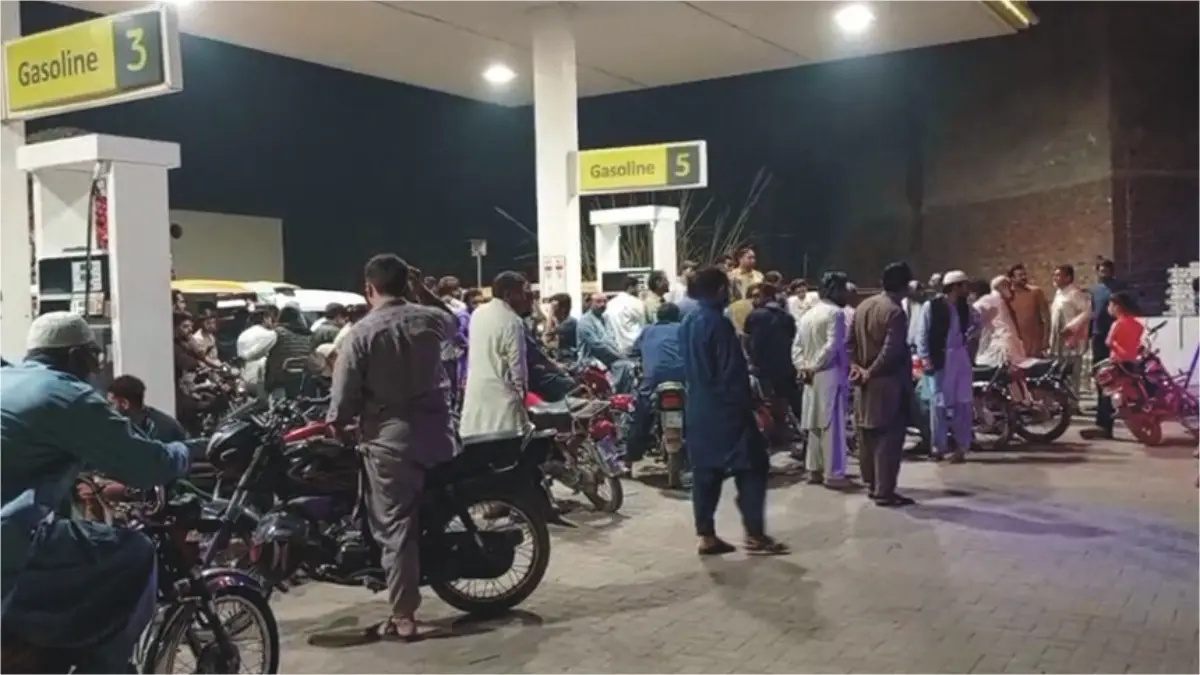
The government has reduced the price of high speed diesel by Rs32.12 after approval from Shehbaz Sharif. The new diesel rate stands at Rs353.43 per litre, down from Rs385.54. Petrol remains unchanged at Rs366.58, keeping daily transport costs high for millions.
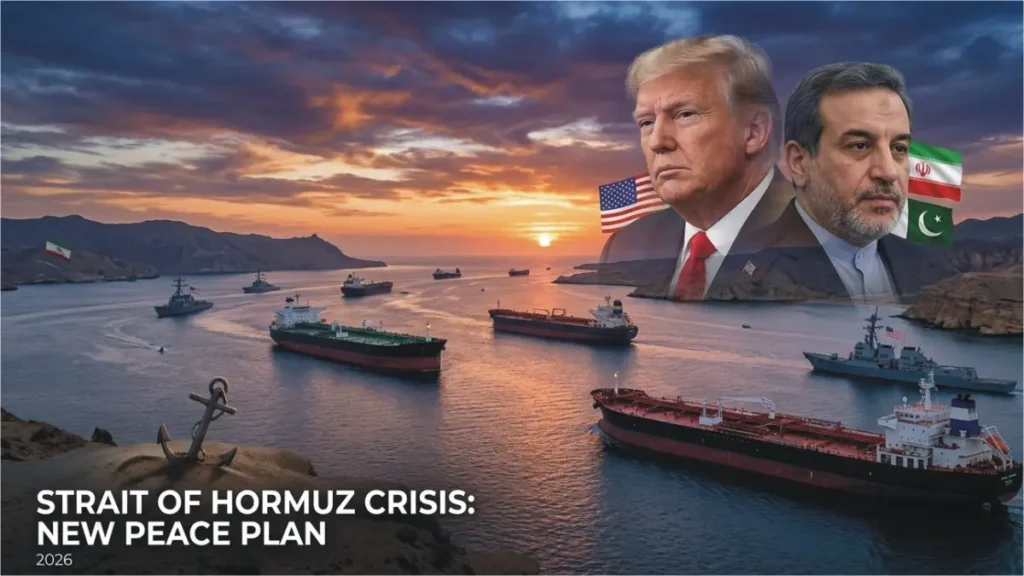
This move comes after weeks of sharp increases linked to global oil shocks. The earlier surge followed tensions around Iran, which pushed international oil prices higher. Pakistan, which depends heavily on imports, felt the impact quickly.
The Pulse: Why Diesel Was Cut First and What It Means
The latest reduction shows a clear policy choice. Diesel supports the backbone of the economy while petrol affects daily personal travel. By cutting diesel first, the government is trying to ease pressure where it hits production and supply chains.
Heavy transport trucks, farm machinery, and industrial generators all depend on diesel. When diesel prices fall, the cost of moving goods across cities like Lahore, Karachi, and Faisalabad can start to decline. This may slowly reduce wholesale prices of vegetables, wheat, and other essentials. However, this change is not immediate. Market adjustments often take a few weeks.
Petrol tells a different story. It is used by motorcycles, rickshaws, and small cars. For urban families and daily wage earners, petrol prices directly affect commuting costs. Keeping petrol unchanged means many households will not feel instant relief. This creates a gap where businesses may benefit before consumers do.
The recent timeline shows how volatile the situation has been. Prices were raised sharply in early March, with increases reaching up to 55 percent for diesel. Soon after, the government reduced the petroleum levy to control the damage. Officials like Ali Pervaiz Malik and Muhammad Aurangzeb have linked these changes to global market pressure and fiscal limits.
This pattern shows a reactive policy approach. When global prices rise, local prices follow. When pressure builds at home, the government steps in with cuts or tax adjustments. The current diesel reduction fits into this cycle rather than marking a long term shift.
وزیرِ اعظم محمد شہباز شریف کی ڈیزل کی قیمت میں کمی کی منظوری.
— PTV News (@PTVNewsOfficial) April 17, 2026
وزیرِ اعظم شہباز شریف کا قوم کو ریلیف کی فراہمی کا فیصلہ.
وزیرِ اعظم کی ڈیزل کی قیمت میں 32 روپے 12 پیسے کی کمی کی منظوری.
منظوری کے بعد ڈیزل کی قیمت 385.54 روپے سے کم ہوکر 353.43 روپے ہوگئی.
تیل کی قیمتوں میں… pic.twitter.com/pOdEMNgHff
What Happens Next as Pakistan Balances Relief and Revenue
The impact of this decision will unfold in stages. Transport operators may review freight charges if diesel remains stable at the lower level. Food supply chains could see reduced costs, especially in rural areas where diesel is widely used for farming and irrigation. This may help slow inflation, but only slightly and with delay.
At the same time, the unchanged petrol price keeps pressure on urban households. Motorbike riders and rickshaw drivers will continue to face high daily expenses. This limits the broader relief effect and keeps consumer inflation elevated.
The government is also managing a difficult fiscal position. Fuel taxes, especially the petroleum levy, remain a key source of revenue. Any large cut in petrol prices could widen the budget gap, especially under international financial commitments. This explains the cautious approach.
Looking ahead, the next pricing cycle will be critical. If global oil prices remain stable or fall, there is room for further cuts, possibly including petrol. If tensions rise again, the current relief may reverse quickly. For now, the diesel reduction signals short term easing for the economy but not full relief for households.

 By
By