
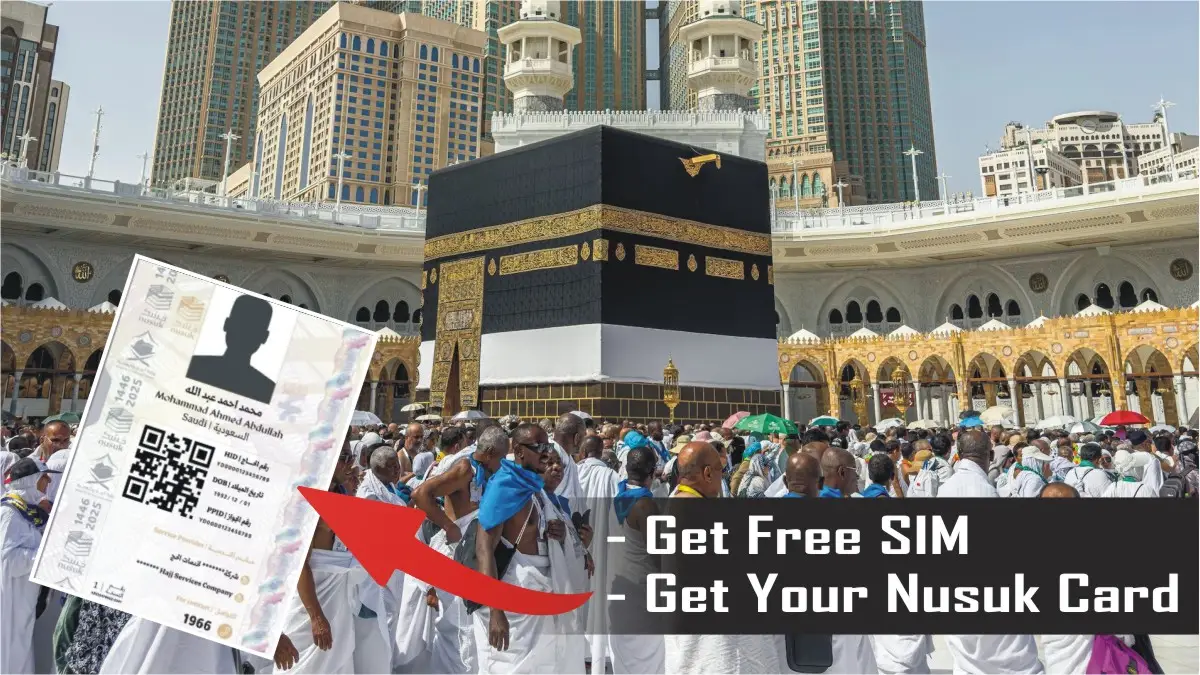
Today, Saudi Ministry of Hajj and Umrah has moved Hajj 2026 into its final phase. Entry to Makkah is now restricted. Digital controls and health rules are active. Pakistan has confirmed its quota and a free SIM package. The aim is crowd control safety and traceability before late May rituals.
The Pulse Analysis
Starting now, the system has shifted from preparation to enforcement. The timeline is tight and the controls are strict. The focus is on legal entry verified identity and real time movement across holy sites.
Key dates for 1447 AH season
- Dhul Hijjah begins May 18, 2026
- Hajj starts May 25, 2026
- Day of Arafah May 26, 2026
- Eid al Adha May 27, 2026
- Hajj ends May 30, 2026
These dates depend on moon sighting. Small shifts are possible but logistics are already locked.
Immediate restrictions now in force
Makkah entry ban active since April 13, 2026
Only three categories can enter
- Valid Hajj permit holders
- Residents with Makkah issued Iqama
- Workers with official Hajj site permits
Umrah exit deadline April 18, 2026
All foreign Umrah visa holders must leave the Kingdom by this date.
Umrah suspension April 18 to May 31, 2026
Permits via the Nusuk App are paused for citizens residents and GCC nationals.
Why this matters
Saudi planners are reducing uncontrolled inflow before peak days. Past seasons showed that unmanaged entry increases heat risk stampede pressure and transport delays. This year the system is designed to filter access at the perimeter not inside the sites.
The Nusuk Card becomes the gatekeeper
- Mandatory smart ID for every pilgrim
- Works as identity health record and accommodation link
- Required for buses and entry to Mina Arafat and Muzdalifah
- QR code scanned at checkpoints
- No card means no movement inside Hajj zones
This is a shift from paper verification to live digital control. It reduces fraud and helps emergency response.
Health compliance is strict and documented
- Meningococcal ACWY given 10 days to 5 years before arrival
- COVID 19 full vaccination with approved types
- Polio mandatory for Pakistan India Afghanistan
- Yellow fever for travelers from endemic regions
Hospitals and field clinics will rely on the digital profile linked to the Nusuk Card.
Pakistan Impact in Numbers
The role of Ministry of Religious Affairs Pakistan is central this year. The process has moved faster but with tighter payment and documentation windows.
- Pakistan quota 179210 pilgrims
- Government scheme selection completed
- Final installments are due before ticketing and visa issuance
Connectivity initiative for Pakistani pilgrims
The government has introduced a free SIM per passport.
- Long stay package 40 days
- 40 GB data
- 600 minutes local and international calls
- Short stay package
- 25 GB data
- 300 minutes calls
- Distribution at Hajj residences in Saudi Arabia
- Top up available at accommodation buildings on payment
- Advisory use only the official SIM to avoid blockage
Why this matters
Communication failure is a known risk during Hajj. The free SIM reduces cost barriers and supports navigation updates emergency contact and group coordination. It also aligns with digital tools like the Pak Hajj app and the Nusuk system.
Expert Insight
Policy line from Saudi authorities
- “No permit no Hajj” is enforced with fines deportation and future bans.
- Checkpoints now verify digital identity not paper slips.
- Transport access is linked to verified booking data.
What has changed from previous years
- From paper to platform
Earlier seasons relied on physical documents and manual checks. Now the Nusuk ecosystem links visa accommodation transport and health in one record.
- From open flow to controlled entry
Entry to Makkah is now restricted weeks before Hajj. This reduces last minute surges.
- From generic health checks to targeted vaccination rules
Polio rules for South Asia are enforced due to regional risk profiles.
How the Digital System Works for Pilgrims
- Register and verify identity on the Nusuk App
- Receive the Nusuk Card physical and digital
- Card links to hotel in Makkah and Madinah
- Bus boarding and site entry require QR scan
- SOS feature shares GPS location with mission teams
This is not optional. It is the access layer for the entire journey.
Conclusion
Hajj 2026 is defined by control visibility and data. Saudi Arabia has tightened entry weeks in advance and moved verification into a single digital identity. Pakistan has matched this with quota discipline and a connectivity package to keep pilgrims reachable. The margin for error is now very small. Compliance is the difference between access and denial.
 By
By