

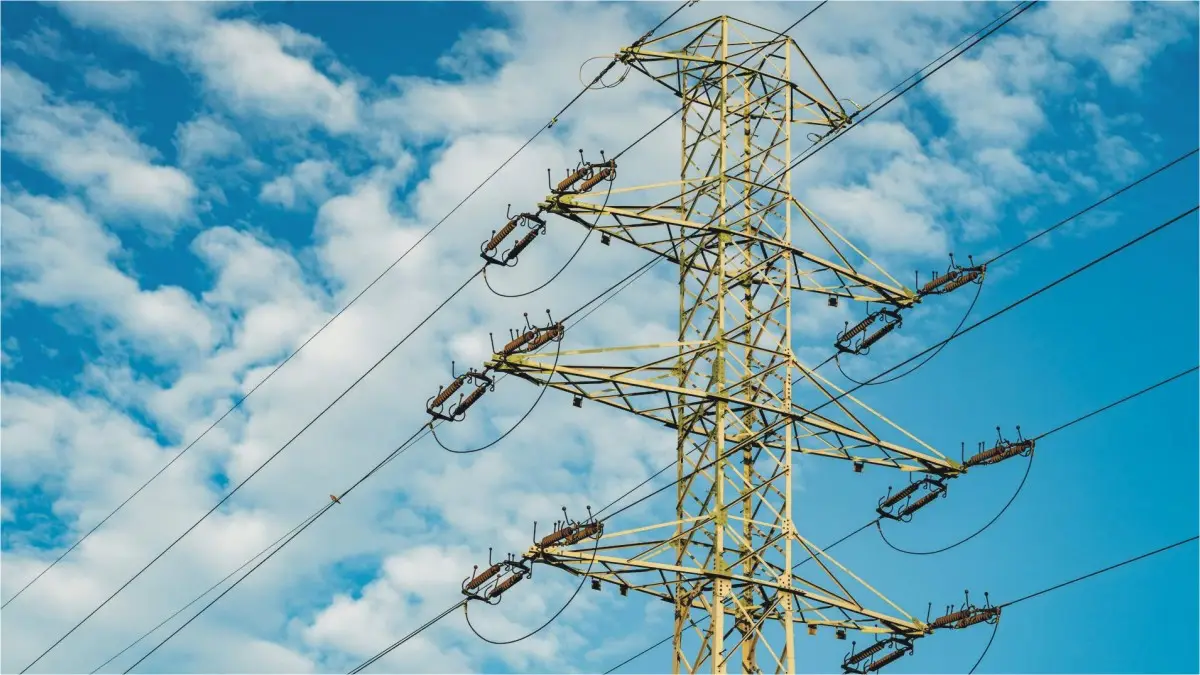
Islamabad says electricity prices in Pakistan may increase by around Rs1.5 per unit as the federal government introduces a new power management strategy to handle rising energy costs.
The government has also confirmed around 2.25 hours of daily load management during peak hours to avoid a much larger increase in electricity tariffs.
Why It Matters for Pakistan
This decision directly affects millions of electricity users across Pakistan. Higher electricity costs will increase monthly household bills at a time when inflation is already putting pressure on families.
Small businesses may also feel the impact as higher energy costs can raise the price of goods and services. In addition, planned power interruptions during peak hours could affect daily routines in homes, offices, and markets.
For many households, even a small increase in per-unit electricity price leads to a noticeable rise in total monthly expenses.
What Islamabad Has Announced
Possible Increase in Electricity Prices
According to officials in Islamabad, electricity prices may go up by around Rs1.5 per unit.
However, they say this increase is being controlled through a new strategy. Without these measures, the tariff hike could have reached Rs5 to Rs6 per unit, which would have been much more difficult for consumers to handle.
Daily Load Management Plan
The federal government has also approved around 2.25 hours of electricity load management every day during peak demand hours.
This step is aimed at reducing the use of expensive fuel sources such as furnace oil. Officials say this will help control overall generation costs and limit pressure on electricity prices.
Despite the load management plan, officials confirm that electricity production remains stable and sufficient to meet national demand.
Islamabad has also increased the supply of local gas to power plants. This move is expected to reduce dependency on imported fuel and help prevent further increases in electricity costs.
The entire plan is being monitored at the highest level under the supervision of the Prime Minister’s office to ensure price stability for consumers.
Why This Situation Is Happening
Officials in Islamabad link the situation to rising global energy prices and economic instability in international markets. These global changes have increased the cost of fuel, which directly affects electricity generation in Pakistan.
Pakistan also relies heavily on imported fuel for power production. When international prices rise, domestic electricity costs are also affected almost immediately.
What It Means for Consumers
If the plan continues, households across Pakistan may experience slightly higher electricity bills along with scheduled power interruptions during peak hours.
Cities like Karachi, Lahore, and Islamabad are expected to feel the impact more due to higher electricity usage during peak times.
While the government says the move is meant to prevent a larger crisis, consumers will still feel the short-term pressure on both cost and supply.
Pakistan’s power sector has faced repeated challenges in recent years, including rising fuel prices, growing demand, and financial pressure in the energy system. To manage these challenges, the government often uses load management and fuel optimization strategies.
Final Note
Islamabad’s latest decision shows the difficult balance between keeping electricity affordable and maintaining supply stability. While the aim is to prevent a major price shock, consumers should prepare for some increase in bills and limited power interruptions in the coming days.


 By
By