
IMF approves $1.2 billion for Pakistan on May 8, 2026 — pushing reserves past $17 billion. But the money comes with serious conditions that will reshape taxes, energy and state owned projects.
Having a straight look, when the IMF board announced the release of $1.2 billion for Pakistan last Thursday, the first thing most finance journalists in Islamabad did was ‘not celebrate‘. We opened the staff report. Because in this country, we have learned that the headline number is not always the whole story.
I have been covering Pakistan’s economic beat for years now. I was in the press room when the 2023 bailout barely scraped through. I watched the rupee collapse in real time. So when I say this latest approval, it feels different. I want to explain exactly why and also where the real pain points are hiding.
What Pakistan Actually Got
The IMF Executive Board gave the green light to two separate payments.
- $1 billion — comes under the Extended Fund Facility, or EFF. This is the fourth tranche of a 37-month, $7 billion program that Pakistan entered to stabilize its economy.
- $200 million — is from the Resilience and Sustainability Facility, the RSF, which is specifically tied to climate related reforms.
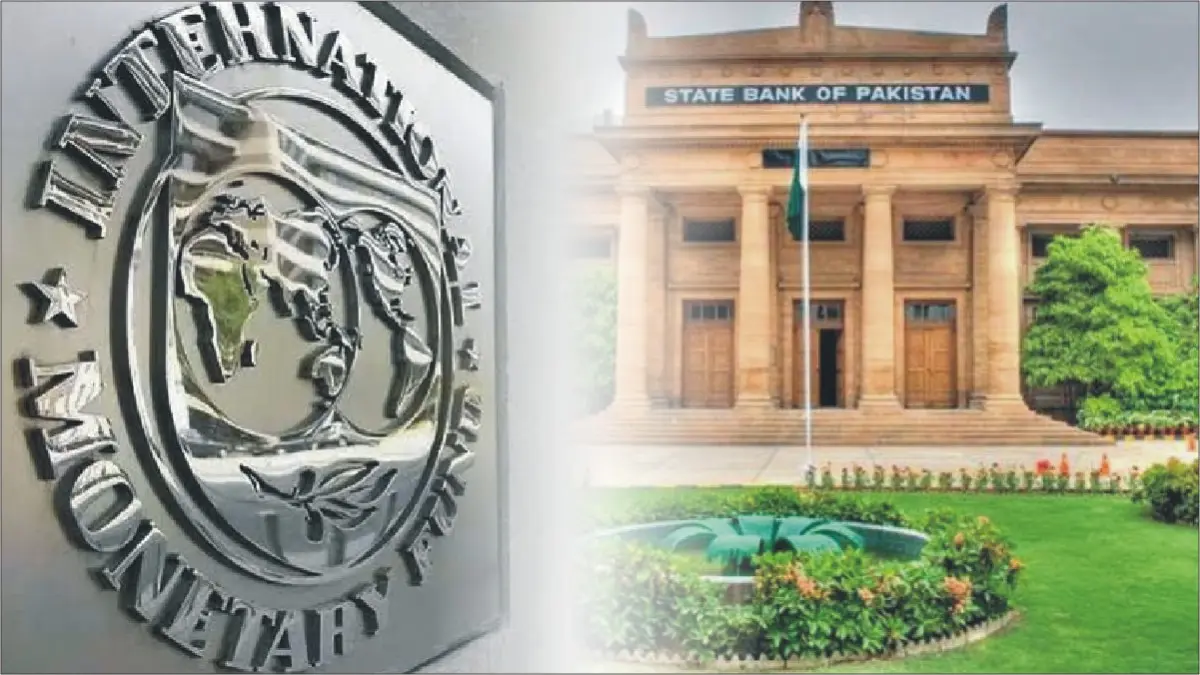
Together, that is $1.2 billion landing in the State Bank of Pakistan’s accounts. Officials say this will push Pakistan’s foreign exchange reserves above $17 billion. That is significant. A year ago, we were scraping the bottom of the barrel, at one point reserves barely covered three weeks of imports. Crossing $17 billion gives the country breathing room.
But breathing room is not a solution. It is time. And the question is always — what do you do with that time?
The Conditions Nobody Is Talking About Loudly
Here is where I want to slow down, because this is the part that gets glossed over in celebratory press releases.
To unlock this money, Pakistan has agreed to a long list of commitments. Some of them will directly affect how much tax you pay, how much your electricity bill is and whether the DISCO in your city still exists as a government entity a year from now.
On taxes, the IMF has moved past the old playbook of just raising rates. This time, the focus is on pulling sectors that have historically avoided the tax net into proper documentation. Agricultural income tax is a major benchmark here. Provinces are being pushed to align with the federal rate of 45 percent for non-salaried businesses. If you know anything about Pakistan’s rural power structures, you understand why this has been politically impossible for decades. The fact that it is now a formal IMF condition makes it harder to quietly drop.
Retailers and real estate, two sectors that have operated in a grey zone forever are also being targeted. The government has committed to bringing property transactions into better documentation by adjusting withholding tax structures. Anyone who has bought or sold property in Lahore or Karachi knows how much of that market runs on cash and undervalued declarations. That is what the IMF wants to change.
Then there is the elimination of roughly Rs. 3 trillion in tax exemptions. That number is enormous. It includes exemptions for teachers, researchers, and incentives tied to Special Economic Zones. When you remove those, some people will see their tax bills go up. There will be pushback.
The Federal Board of Revenue is also rolling out AI-driven audit selection and something called a Faceless Customs Appraisement System. The idea is to recover an estimated Rs. 600 billion through better enforcement rather than new taxes. On paper, it sounds efficient. In practice, the FBR’s track record with technology driven reforms is mixed.
ALSO READ
High Fuel Price in Pakistan up to Rs. 535 / litre in coming days as IMF Demands End to Subsidies
Privatisation: The Hard Part
If the tax side is complicated, the privatization agenda is hard.
Three major power distribution companies — IESCO, GEPCO and FESCO are being fast tracked for privatization. Expressions of interest from buyers are expected as early as next month. These are not small transactions. These DISCOs serve millions of households and have deeply entrenched workforces. The employees know what privatization can mean, and unions have already been vocal.
The government is also moving on stake sales in the First Women’s Bank and Zarai Taraqiati Bank. The Roosevelt Hotel in New York — Pakistan’s most talked about overseas asset is being restructured through a joint venture model rather than an outright sale, after a new financial adviser was appointed.
What is genuinely new in this round is the Sovereign Wealth Fund reform. Pakistan has committed to amending the SWF law so it can no longer directly sell SOE assets or borrow against them. Revenues from privatization will now flow directly to the federal budget. That is a transparency measure, but it also removes a layer of flexibility that governments have historically used to delay hard decisions.
New procurement rules are also coming by September 2026. State-owned enterprises will no longer receive preferential treatment in government contracts. They will have to compete with private sector firms on equal terms. That may sound routine, but for many bloated SOEs, it is the beginning of the end.
Value of the Rupee and Inflation
Here is something I get asked a lot at public events. Does IMF money make the rupee stronger?
Not directly. But it does signal to foreign investors and credit markets that Pakistan is not in crisis mode. That confidence matters. It reduces pressure on the rupee from speculative selling. Combined with foreign reserves above $17 billion, it creates a more stable environment for the currency.
Inflation — Pakistan has worked hard to bring it down from the brutal highs of 2023. The IMF framework supports maintaining single digit inflation through fiscal and monetary discipline. Cutting energy subsidies, however, which is part of the deal, tends to push electricity and gas prices up. Lower inflation overall, but higher utility bills for households. That is not a contradiction — it is just the reality of structural reform, and it lands hardest on people who are already stretched.
What Could Go Wrong
Pakistan has a long history of agreeing to IMF conditions and then quietly walking them back when political pressure builds. Agricultural income tax reform has been promised before. Privatization timelines have slipped repeatedly. The Rs. 3 trillion exemption removal will face serious lobbying from affected industries.
The IMF knows this. That is why there is an IMF mission arriving in Islamabad around May 12–15 specifically to work on the 2026–27 budget framework with Pakistani officials. The June budget will be the first real test. Does it actually reflect these commitments in black and white, or does it hedge?
If the budget wavers, the next tranche will be at risk. And Pakistan cannot afford that right now.
The Bigger Picture
A common person in Pakistan could not understand IMF policies and conditions. Instead, people believe that ‘When the dollar is stable, business is stable‘.
That is ultimately what this $1.2 billion is about at the street level. It is about whether a factory owner in Faisalabad can plan three months ahead. Whether a family in Karachi can manage grocery costs. Whether the lights stay on without a five hour load shedding cycle.
The IMF money buys Pakistan time and credibility. The reforms if implemented honestly, could build something more durable. But Pakistan has been at this crossroads before. The difference this time is that the conditions are more specific, the benchmarks are more measurable and the budget deadline is public.
June 2026 will tell us a great deal about whether this is real reform or a familiar delay dressed up in new language.

 By
By
 By
By