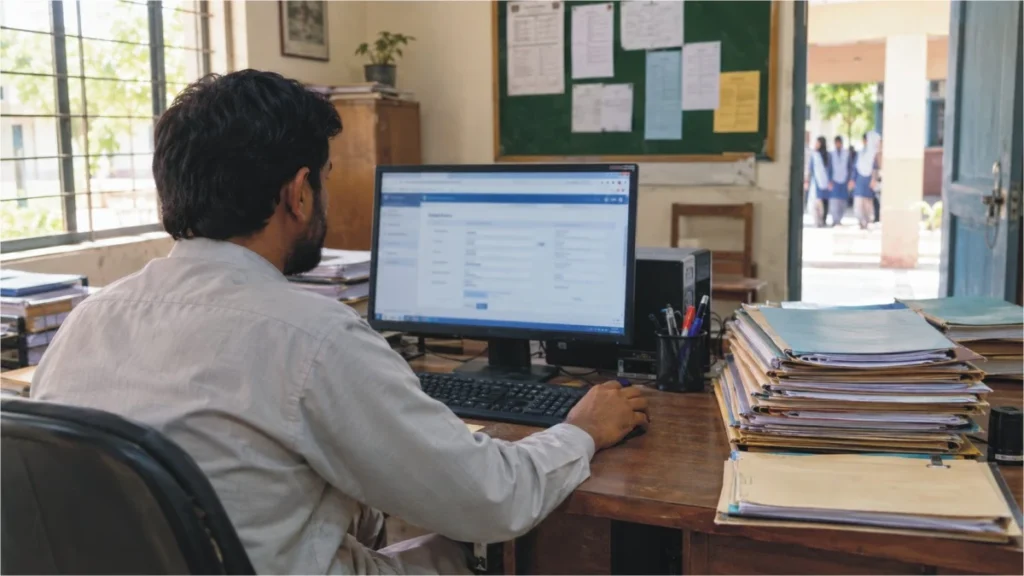

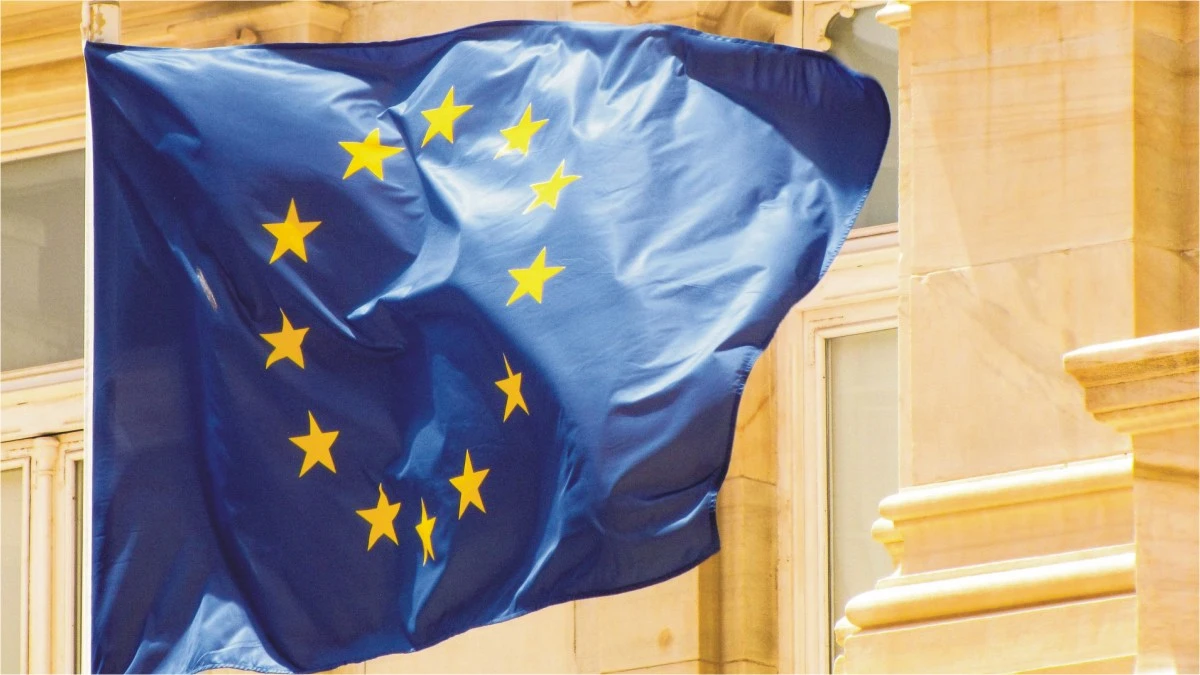
(Updated: 1st Aug, 2026) Traveling to Europe has become a tough and costly task for people in Pakistan. Getting a Schengen visa is no longer just a matter of filling out forms and turning in paper documents. Today, visa officers carefully examine your whole background, bank history, and digital footprint before deciding your case.
Holding a Pakistani passport means facing high levels of inspection when applying to visit destinations like Paris, Berlin, or Rome. Processing times can take months, and many applicants end up with a refusal letter. This change comes from stricter European laws and new digital border tracking systems.
High Rejection Rates and Financial Loss
Official data highlights the difficulty of the situation. According to official figures released by the European Commission, global visa demand rose to over 12 million applications in 2025. While the global average refusal rate dropped slightly to 14.6%, applicants from Pakistan continue to experience refusal rates around 50% to 52%, among the highest in the world.
These rejections cause heavy financial losses for applicants. With tens of thousands of Pakistani applications turned down each year, millions of Euros (over PKR 1 billion) are lost in non-refundable visa fees, service charges, and document attestation.
For an average middle-class family in Pakistan, applying for a single visa often costs well over PKR 35,000 per person when including administrative fees, mandatory travel insurance, and translation services. When an application is rejected, that money is lost completely.
Visa officers now use “holistic profile evaluations.” Instead of simply checking boxes on a list, they evaluate whether your income, job stability, and personal background match your travel plans. They look for strong evidence that you will return home, such as a steady career, family ties, or property. If they find gaps or doubts in your file, the application is usually refused.
Understanding Embassy Differences
The Schengen Area includes 29 European countries. While they follow the same general visa code, approval rates vary across different embassies:
- High-Scrutiny Embassies: Countries like Spain, Germany, Poland, Greece, and Austria handle large volumes of applications and maintain strict criteria for approval.
- Smaller Embassies: Countries such as Lithuania, Latvia, Estonia, and Iceland historically show higher approval rates globally because they handle fewer total applications. However, applicants must follow the Main Destination Rule: you must apply to the embassy of the country where you will spend the most nights. Getting a visa from one country while staying entirely in another can lead to problems at border control or during future visa applications.
Comparison of General Embassy Trends
| Country / Region | Approval Trend | Key Application Requirement |
| Lithuania & Baltic States | Historically favorable rates | Clear, short travel plans and verified job proof |
| Iceland | Favorable for planned tourism | Pre-booked tours and complete travel itineraries |
| Spain & Italy | High application volume, moderate-to-strict scrutiny | Verified accommodation and long travel history |
| Germany | Very strict criteria | Accurate, complete paperwork; no administrative appeals |
New Digital Borders and Changes to Appeals
- The Entry/Exit System (EES)
The European Union’s Entry/Exit System (EES) replaces manual passport stamps with biometric tracking (fingerprints and facial scans). The system automatically calculates your permitted duration of stay across the entire Schengen Zone. Overstaying even by one day creates a permanent record shared among all member states, which can impact future visa applications. - End of German Administrative Appeals
Germany permanently removed its free administrative appeal process, known as remonstration. In the past, applicants whose visas were refused could write a free appeal letter asking the embassy to review the file again. Now, if a German visa application is rejected, you must either reapply from scratch with new fees or file a formal lawsuit in a German court.
Common Red Flags to Avoid
To improve your chances of approval, avoid these common mistakes:
- Funds Parking: Depositing a large sum of money into your bank account right before applying raises suspicions. Embassies expect to see 3 to 6 months of steady income and normal spending history.
- Weak Ties to Home Country: Lacking proof of permanent employment, business ownership, enrollment in studies, or immediate family dependents in Pakistan is a common reason for refusal.
- Incomplete Insurance: Travel health insurance must cover at least €30,000 for medical emergencies and remain valid for every single day of your stay in the Schengen Area.
Sources and Verification Links
European Commission Official Visa Statistics (May 28, 2026 Release):
- Schengen short-stay visa applications rise in 2025 but remain below pre-pandemic levels – EU Migration & Home Affairs
- Facts Verified: 12+ million global applications in 2025; global refusal rate standing at 14.6%; total visas issued exceeding 10 million.
Gallup Pakistan Data Analysis on Schengen Visas:
- Gallup Pakistan Report on Schengen Visa Issuance Statistics
- Facts Verified: Pakistan’s rejection rate hovering between 51.5% and 52%, placing it among the highest rejection rates globally.
EU Financial Loss & Rejection Fee Analysis:
- Amber Student / EU Visa Rejection Financial Impact Report
- Facts Verified: Over PKR 1 billion / €3.3+ million lost annually by Pakistani applicants due to non-refundable fees on rejected visas.
Abolition of Germany’s Remonstration Appeal Process:
- German Federal Foreign Office Official Announcement
- Facts Verified: Complete end of free administrative remonstration appeals for rejected German Schengen visa applications.
EU Entry/Exit System (EES) Biometric Borders:
- Yale International Toolkit – EU Entry/Exit System (EES) Overview
- Facts Verified: Digital biometric tracking (fingerprints/facial scans) replacing manual passport stamps across Schengen borders.

 By
By

 By
By